1 metric ton standard MOQ
Orders below 1 metric ton are reviewed against the grade, available stock, packing and freight cost.

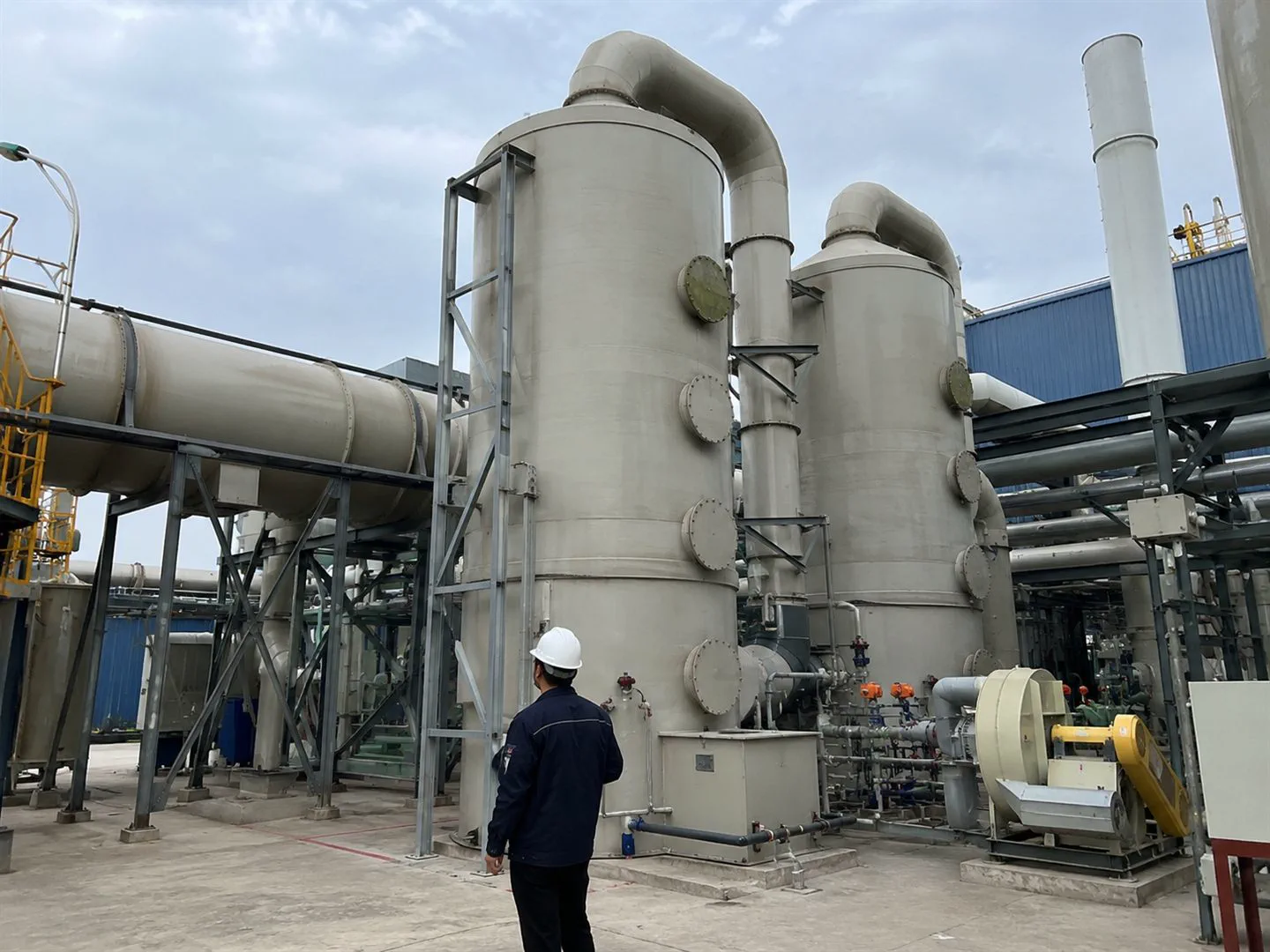
Selection overview
Industrial gas treatment begins with the full gas composition and safety envelope, especially for H2S, sulfur compounds and other reactive contaminants. The review determines whether physical adsorption is sufficient or a contaminant-specific impregnated grade and breakthrough test are required.
Recommended sourcing direction
The figures below are common sourcing references, not an application-performance guarantee. Final grade, test methods and batch limits are confirmed after the operating conditions are reviewed.
| Common pellet diameter | 1.5-8 mm directions; pressure drop and bed design determine the final diameter |
|---|---|
| CTC activity | Typical pellet range: 40-90%; common grades are often 50-75% |
| Hardness | Typical pellet range: 90-97% |
| Moisture | Typically <=5% |
| Gas-specific testing | H2S breakthrough, sulfur capacity, acid-gas capacity or another contaminant-specific test |
| Impregnation | Selected KOH, NaOH, KI, sulfur or other treatment reviewed by contaminant and safety requirements |
Full gas composition, target contaminant and concentration, humidity, temperature, pressure, airflow, bed size, pressure-drop limit, required outlet concentration, quantity and destination.
Qualification boundary
Gas-treatment selection is safety-critical. Suitability and service life require an application review and should not be inferred from iodine or CTC values alone.
System qualification
The selection process separates system conditions from product properties so the quotation can state relevant tests and acceptance values.
Performance boundary: Operating results depend on the actual system. A sample or pilot result should use an agreed method and representative conditions.
Related product pages
RFQ preparation
Stock, final MOQ, production date, guaranteed values, packing cost, freight, payment terms and inspection scope are confirmed for the specific quotation and contract.
Orders below 1 metric ton are reviewed against the grade, available stock, packing and freight cost.
Standard samples are normally free; the buyer usually covers international courier cost. Sample quantity is matched to the product and test method.
Timing starts after the product specification, packing, order documents and agreed payment conditions are confirmed.
Qingdao or Tianjin are commonly used; the final loading port is confirmed with the route and trade term.
FAQ
Sometimes, but mixed streams can involve competitive adsorption, humidity effects and reaction safety. A full composition and operating range are required before grade selection.
Provide contaminant loading, airflow, temperature, humidity, bed dimensions, target outlet concentration and operating schedule. A pilot or application model may still be required.
Yes. SGS, Intertek, Bureau Veritas, TUV, CCIC or another agreed organization can be arranged under the contract, with scope and cost confirmed in advance.
Quick factory inquiry
Share the product, target index, quantity and application. Standard inquiries normally receive a reply within 24 hours on business days.