1 metric ton
Orders below 1 metric ton are reviewed against the grade, available stock, packing and freight cost.

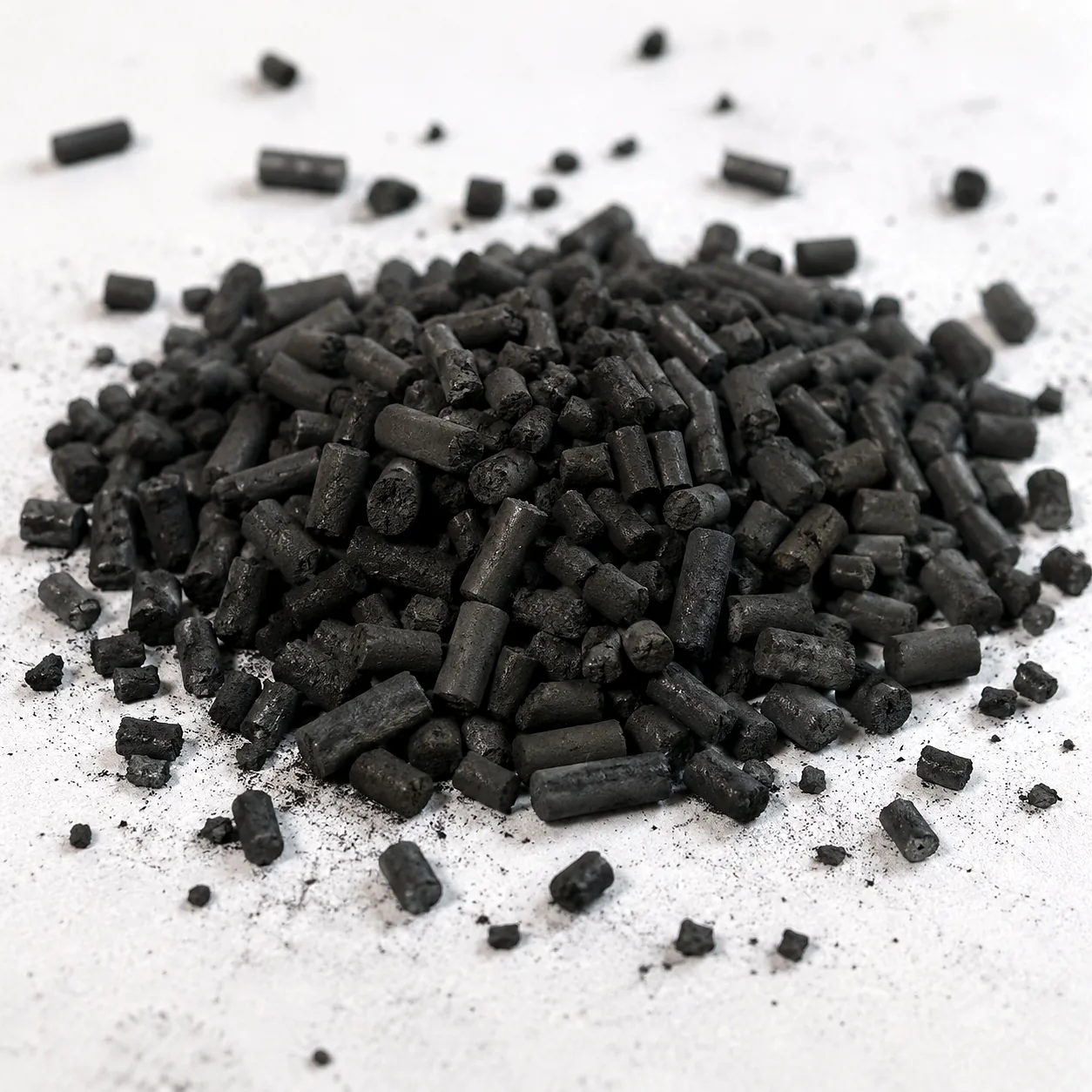
Image 1 of 5: Columnar pellet activated carbon product pile
Typical sourcing range
These are common or configurable manufacturing ranges, not a batch guarantee. Final acceptance values, methods and tolerances are confirmed in the signed product specification and batch COA.
| Raw material | Primarily anthracite or bituminous coal powder; selected specialty grades may use wood or coconut carbon |
|---|---|
| Form | Cylindrical or columnar pellets |
| Particle size | Common diameters: 1.5, 2, 3, 4, 5, 6 or 8 mm; 4 mm is widely requested |
| Iodine value | Typical configurable range: 700-1,100 mg/g |
| CTC activity | Typical range: 40-90%; common grades are often 50-75% |
| Hardness | Typical range: 90-97%; >=95% is a common sourcing target |
| Ash | Typically <=12%; lower-ash gas grades require confirmation |
| Moisture | Typically <=5% |
| pH | Typically 8-11; impregnated grades depend on the impregnant |
| Apparent density | Typical range: 400-700 g/L |
Gas composition, concentration, humidity, temperature, airflow, bed depth, pressure-drop limit, diameter, quantity and destination.
Application fit
Custom manufacturing
Diameter, length, CTC, iodine value, hardness, loading density and selected KOH, NaOH, KI, sulfur or application-specific impregnation.
Test-method note: Common methods include ASTM D3467 for CTC, ASTM D5742/D5228 for butane activity or working capacity, ASTM D3802 for hardness and ASTM D2854 for apparent density.
Grade selection
Use the application, equipment and agreed test methods to turn a typical product range into a contract specification.
Contract boundary: The signed specification identifies guaranteed values, methods, sampling and tolerances. Website ranges remain sourcing references.
Related selection pages
Bulk purchasing
Stock, final MOQ, production date, guaranteed values, packing cost, freight, payment terms and inspection scope are confirmed for the specific quotation and contract.
Orders below 1 metric ton are reviewed against the grade, available stock, packing and freight cost.
Standard samples are normally free; the buyer usually covers international courier cost. Sample quantity is matched to the product and test method.
25 kg bags, 500 or 1,000 kg FIBC bulk bags, and pallet options by order
Document scope and timing are confirmed with the quotation, specification and shipment stage.
FAQ
Diameter depends on airflow, bed depth, pressure-drop limit and mechanical handling. Four millimeters is common, but the equipment design should control the final selection.
Selected KOH, NaOH, KI, sulfur and other treatments can be reviewed for specific contaminants. Chemistry, safety and performance requirements must be confirmed before quotation.
CTC is common, but some projects use butane activity, butane working capacity, H2S breakthrough capacity or an application-specific test instead.
Quick factory inquiry
Share the product, target index, quantity and application. Standard inquiries normally receive a reply within 24 hours on business days.