1 metric ton standard MOQ
Orders below 1 metric ton are reviewed against the grade, available stock, packing and freight cost.

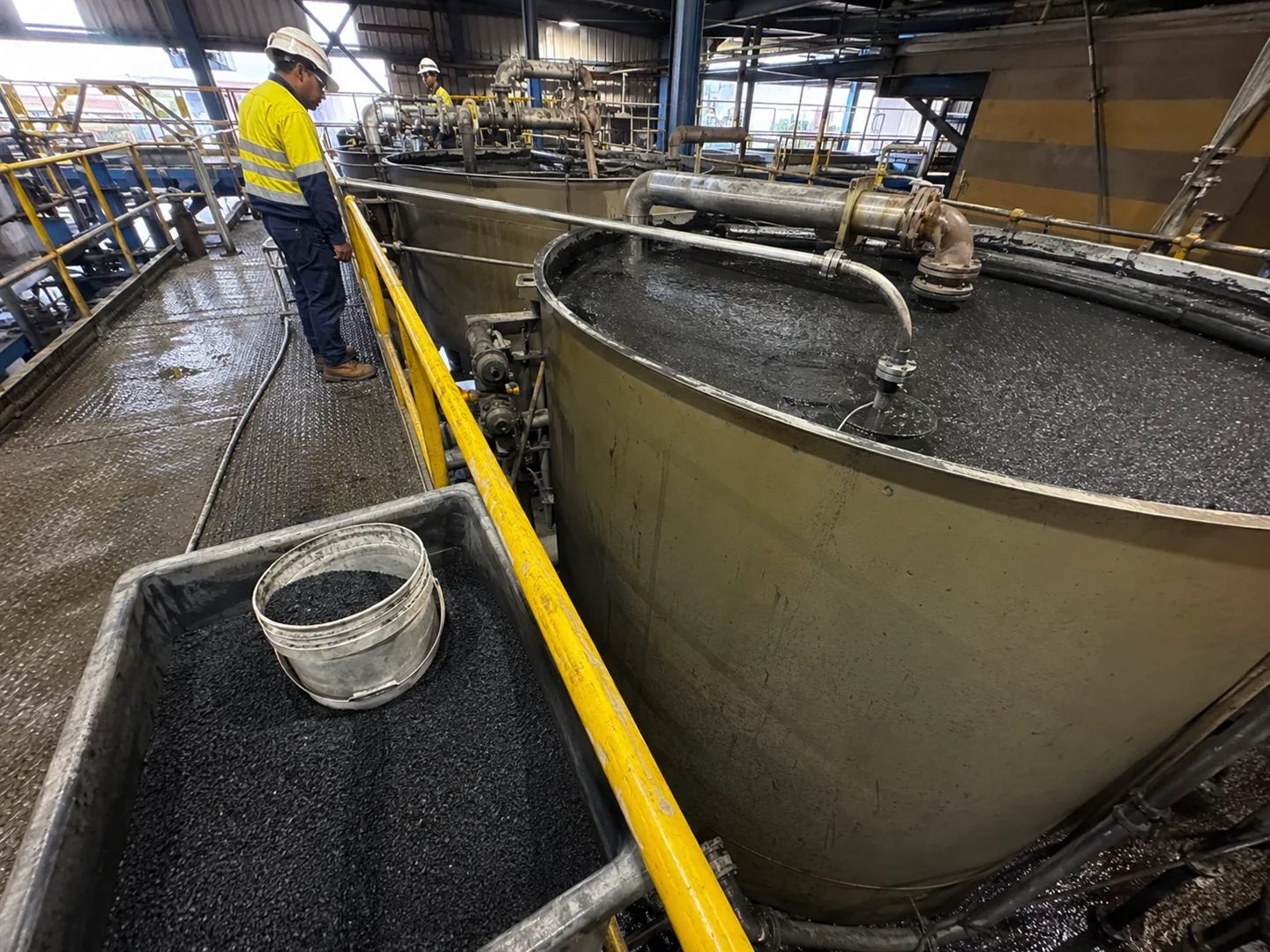
Selection overview
Gold-recovery carbon must remain in the circuit and adsorb efficiently under the actual mine-solution conditions. Start with screen aperture and the carbon-transfer method, then compare particle distribution, hardness, abrasion, fines generation and mine-specific adsorption kinetics.
Recommended sourcing direction
The figures below are common sourcing references, not an application-performance guarantee. Final grade, test methods and batch limits are confirmed after the operating conditions are reviewed.
| Common mesh directions | 6x12, 6x16 and 8x16 mesh; final distribution must match the equipment |
|---|---|
| Iodine value | Common target: >=1,000 mg/g; not a stand-alone gold-performance guarantee |
| Hardness | Common target: >=97%, reviewed together with abrasion and fines generation |
| Ash | Common target: <=5% |
| Moisture | Typically <=5% |
| Gold-specific checks | Adsorption rate, loading capacity, K/R values or a mine-specified bottle-roll test |
Circuit type, screen aperture, carbon transfer method, slurry or solution conditions, target mesh, hardness and abrasion method, sample-test protocol, quantity and packing.
Qualification boundary
Mine-solution testing is the most relevant qualification route. Published typical ranges do not replace testing under the buyer's actual cyanide, pH and competing-ion conditions.
System qualification
The selection process separates system conditions from product properties so the quotation can state relevant tests and acceptance values.
Performance boundary: Operating results depend on the actual system. A sample or pilot result should use an agreed method and representative conditions.
Related product pages
RFQ preparation
Stock, final MOQ, production date, guaranteed values, packing cost, freight, payment terms and inspection scope are confirmed for the specific quotation and contract.
Orders below 1 metric ton are reviewed against the grade, available stock, packing and freight cost.
Standard samples are normally free; the buyer usually covers international courier cost. Sample quantity is matched to the product and test method.
Timing starts after the product specification, packing, order documents and agreed payment conditions are confirmed.
Qingdao or Tianjin are commonly used; the final loading port is confirmed with the route and trade term.
FAQ
Iodine measures micropore adsorption under a standard test. Gold circuits also depend on adsorption kinetics, loading capacity, hardness, abrasion, particle retention and the mine solution.
Larger project samples for bottle-roll, column or circuit testing can be reviewed. Sample quantity and courier arrangements depend on the test plan.
Yes. Common mesh directions, pre-treatment and water-polishing requirements can be reviewed against the circuit and order quantity.
Quick factory inquiry
Share the product, target index, quantity and application. Standard inquiries normally receive a reply within 24 hours on business days.