Bulk Activated Carbon as an Order Configuration: Quantity, Packaging, Handling, and Reorder Cadence
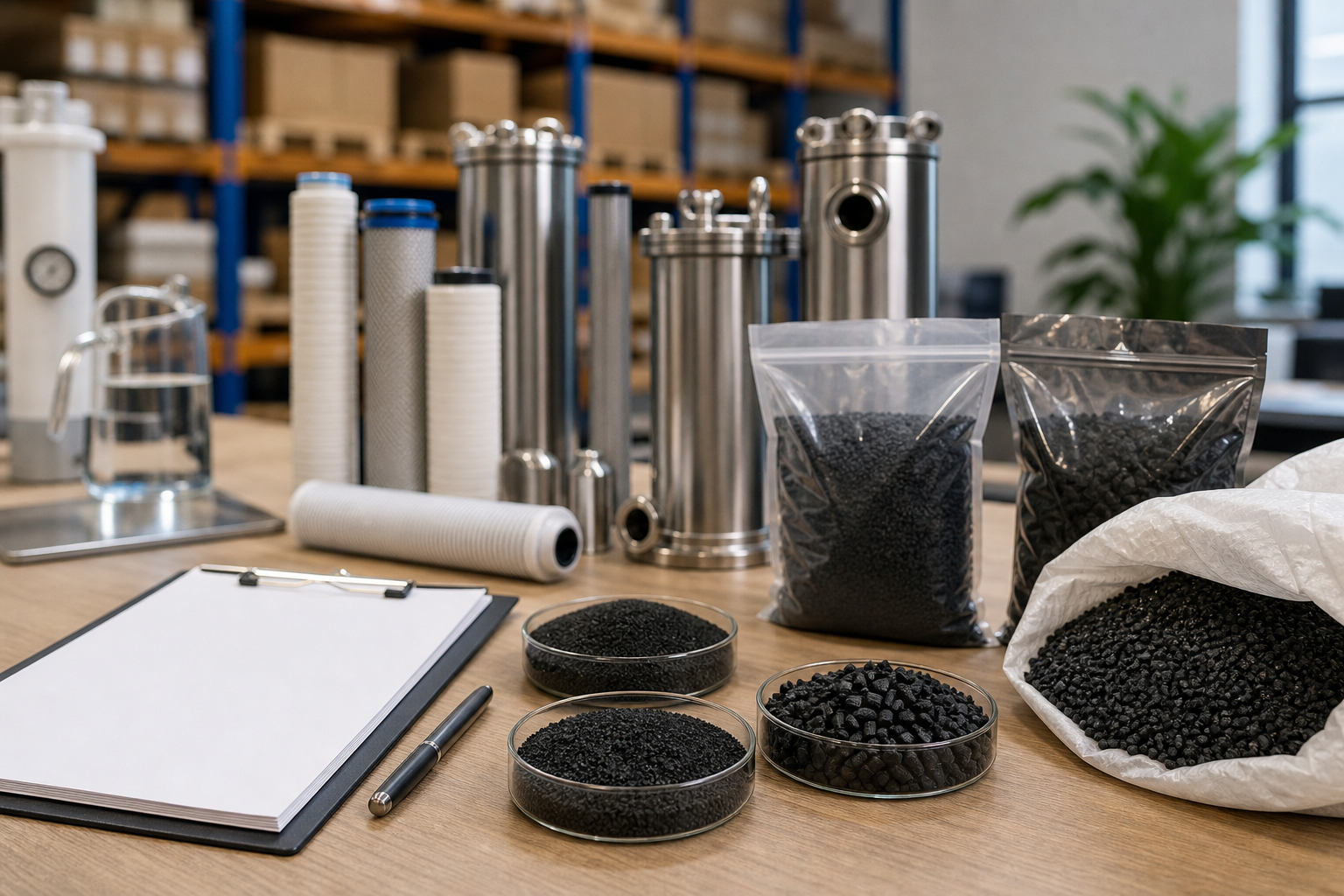
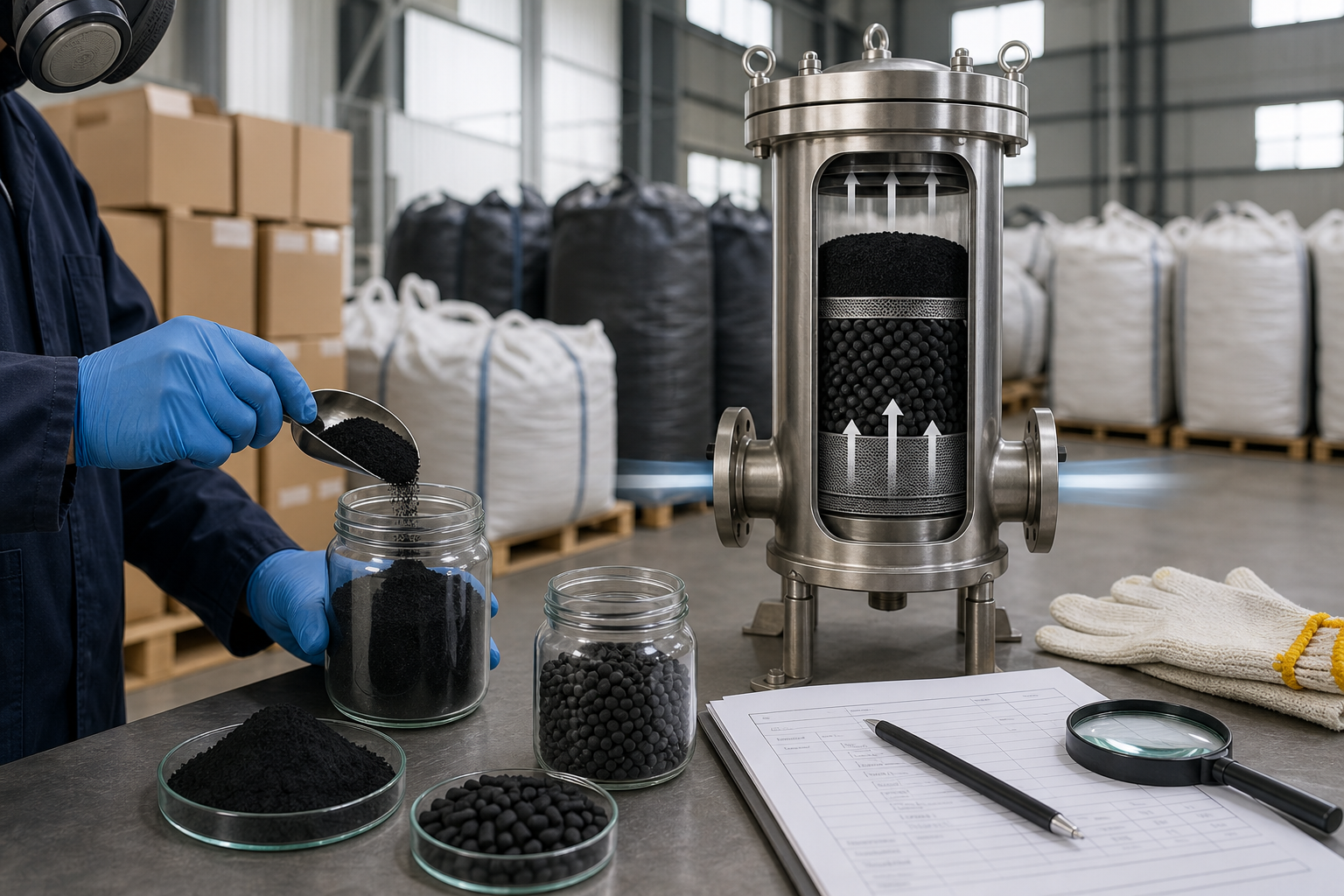
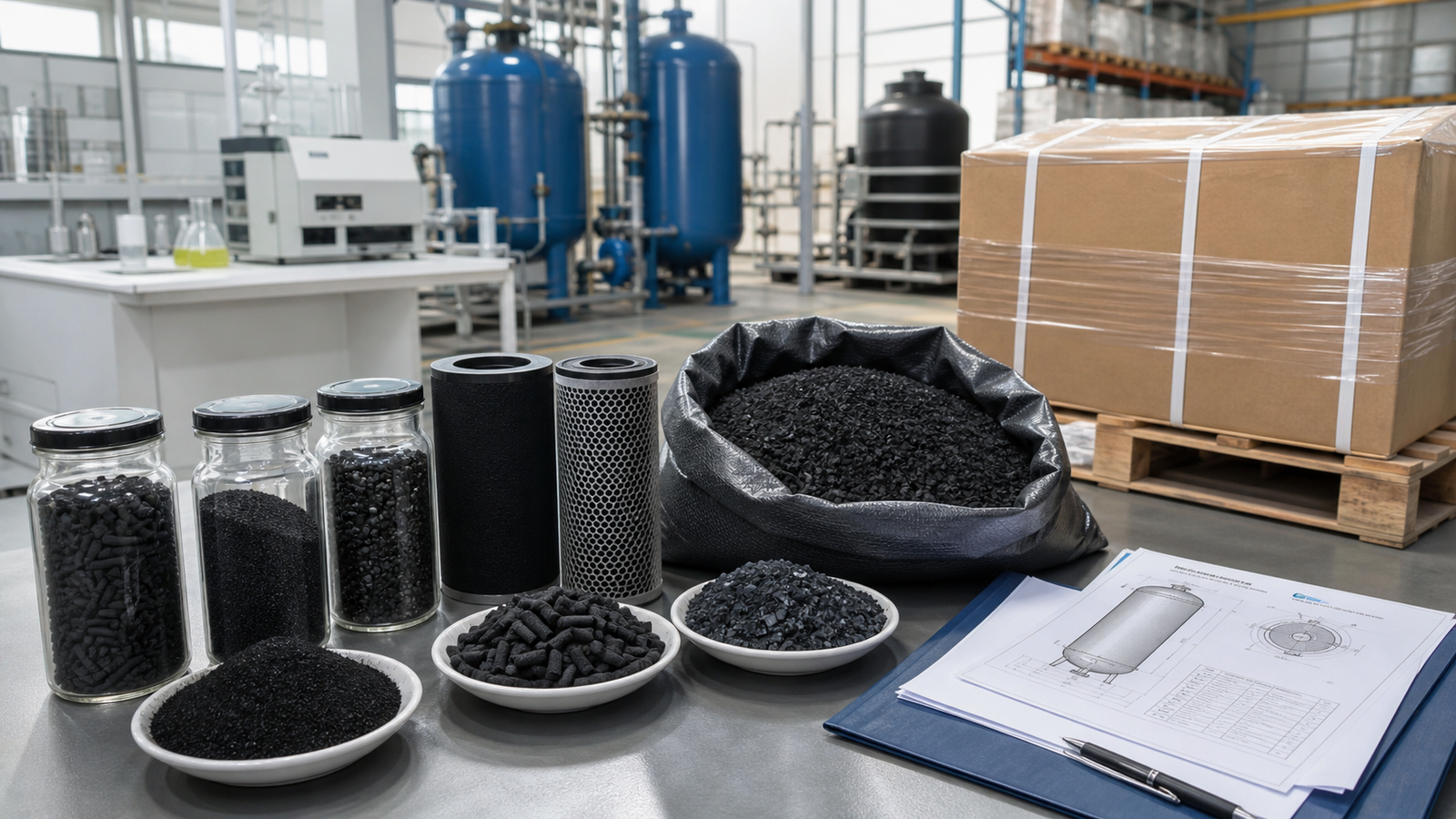
In procurement terms, bulk activated carbon is not defined only by buying more material. A practical bulk order combines media form, order unit, packaging type, receiving method, storage condition, documentation, and expected reorder rhythm. Two suppliers may both quote “bulk carbon,” yet one offer may arrive as loose media in bulk bags while another is palletized sacks, drums, or pre-filled bags for direct installation.
Before comparing offers, confirm whether operations wants loose media for vessels and hoppers, packaged media for cartridge or bag systems, or a format that reduces on-site handling. Receiving constraints matter: forklift access, dock height, indoor storage, moisture exposure, dust control procedures, and operator lifting limits can all affect the right packaging choice.
For recurring programs, cadence is part of the specification. A one-time changeout order may tolerate more manual handling than monthly OEM builds or scheduled media replacement. Buyers who need a configured discussion can start with a bulk activated carbon supplier and align packaging, documentation, and reorder expectations before requesting a comparable quote.
Bulk Media Comparison Matrix: GAC Mesh, PAC Dust, Pellets, Bagged Carbon, and Specialty Grades
The same bulk quantity can behave very differently once it reaches the plant. Use the matrix below to compare procurement impact before treating all carbon listings as interchangeable. For broader background on formats, see this guide to activated carbon media forms and sourcing basics.
| Bulk form | Key sizing field | Handling risk | Equipment fit | Documents to check |
|---|---|---|---|---|
| GAC | Mesh or particle size | Dust, segregation, broken granules | Vessels, filters, backwash systems | TDS, COA, SDS |
| PAC | Powder fineness | Dust exposure and dosing loss | Slurry tanks, dosing systems | SDS/MSDS, TDS, packaging spec |
| Pellets | Pellet diameter | Abrasion and fines | Vapor-phase beds, air systems | CTC, hardness, pressure drop notes |
| Bagged or specialty carbon | Bag size or media grade | Wrong bag fit, unapproved treatment | Odor units, OEM housings, specialty systems | COA, treatment description, lot ID |
Specialty carbons, including catalytic or impregnated grades, should receive tighter review because the treatment, base material, and intended service can affect suitability. Do not accept a vague substitution if the system depends on mesh, pellet diameter, or a specific treated media.
Specification Fields and Receiving Decisions to Lock Before Bulk Ordering
Bulk ordering magnifies small specification gaps. Performance indicators such as iodine value, CTC, and methylene blue should be read as comparison fields, not stand-alone guarantees. Iodine value is often associated with micropore adsorption potential, CTC is commonly used for vapor-phase carbon comparison, and methylene blue can help compare adsorption of larger molecules. The relevant field depends on the application and test method stated on the TDS or COA.
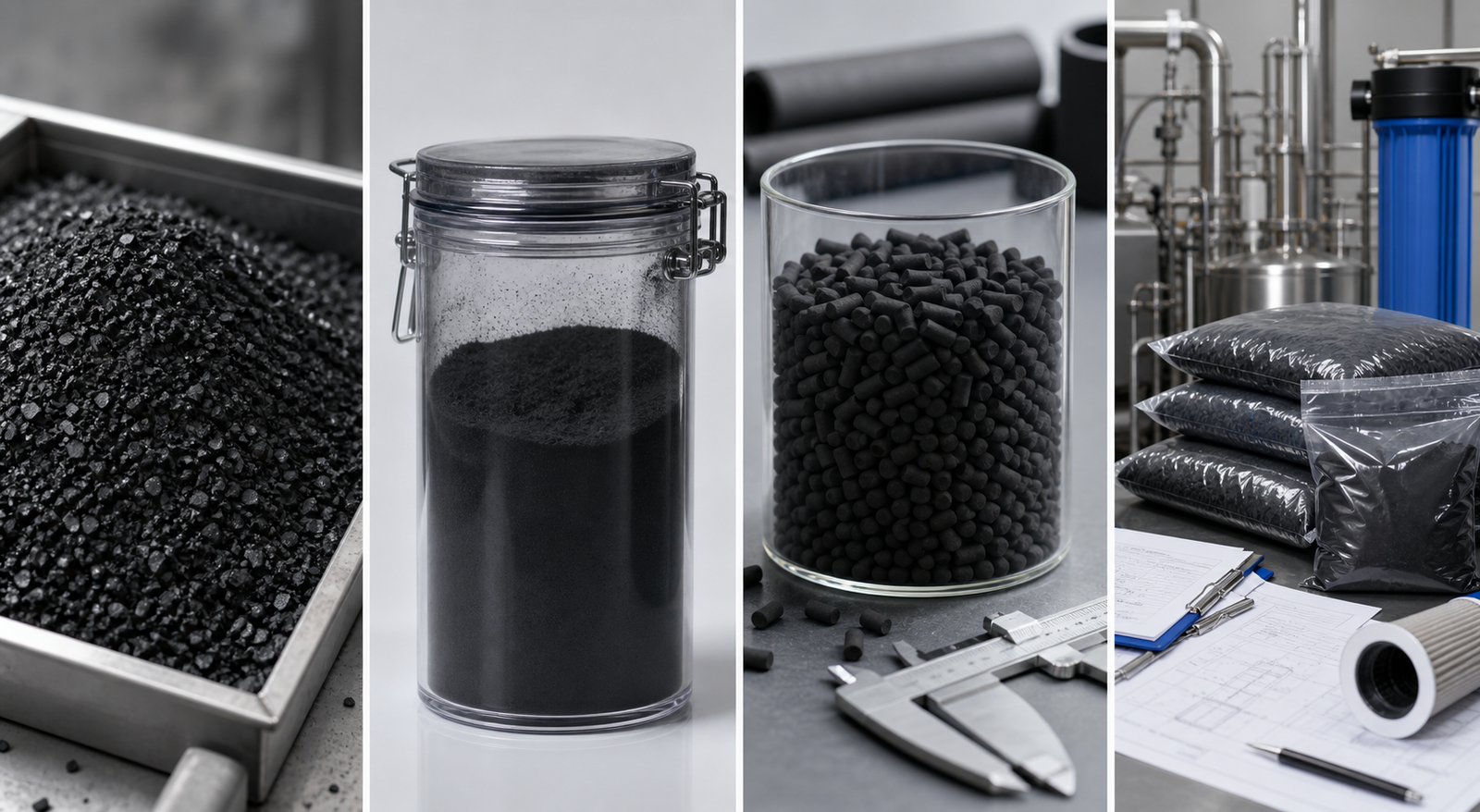
Physical fields are just as important for receiving and operation. Ash, moisture, hardness, particle size, mesh range, pellet diameter, and fines content can affect handling, dust, backwash behavior, pressure drop, and packaging stability. If one quote lists 8x30 mesh GAC and another gives only “granular carbon,” the offers are not yet comparable. The same applies when SDS, MSDS, TDS, and COA documents use inconsistent product names.
Packaging must match the receiving setup: sacks for manual transfer, drums for containment, bulk bags for forklift handling, and palletized shipment for warehouse planning. Confirm packaging material, closure method, pallet configuration, moisture protection, labeling, and whether units align with internal inventory codes.
Quote Line Items and Supplier Red Flags Specific to Bulk Carbon Orders
A useful bulk activated carbon quote should make purchasing, logistics, and quality review possible without guessing. Normalize each offer by MOQ, order unit, packaging unit, palletization, Incoterms, freight basis, requested delivery location, sample status, document availability, and any conditions tied to substitutions. If a supplier quotes a different package size or freight term, the apparent savings may disappear after receiving labor, repacking, or freight reconciliation.
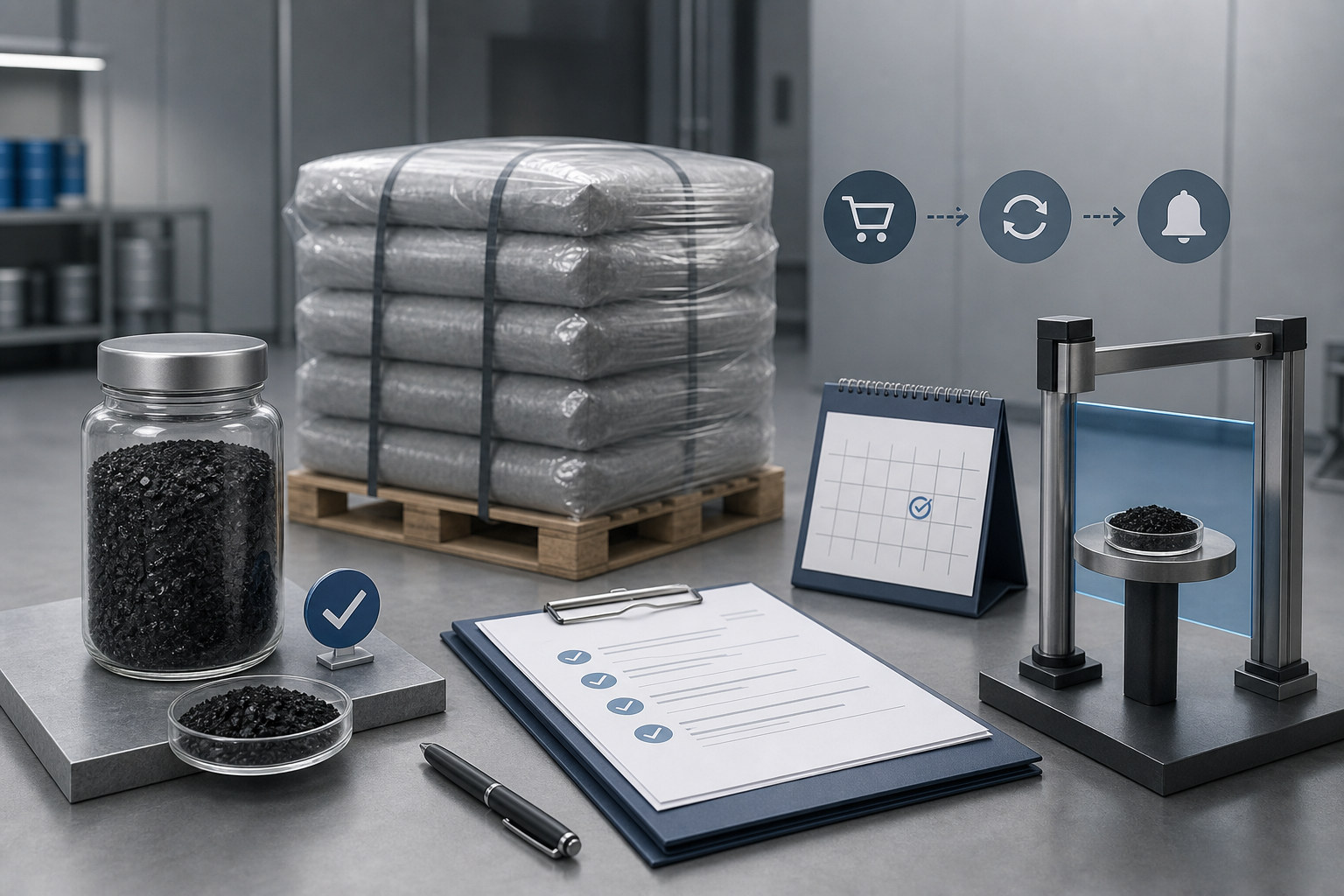
Documentation line items should include the current TDS, SDS or MSDS, COA availability, lot reference approach, and product naming convention. Buyers comparing broader supplier options can also review this guide to activated carbon suppliers, but the quote itself still needs line-by-line comparability.
Red flags to challenge before approving volume
- Unclear mesh size, pellet diameter, base material, or treatment description.
- Product names that differ across quote, SDS, TDS, COA, and invoice.
- Packaging that does not match forklift, dock, storage, or dust-control constraints.
- Sample approval not linked to the proposed production grade or lot documentation.
- Substitution language that allows grade changes without buyer approval.
Repeat-Order Controls and Fast Routing for Water, Air, Odor, OEM, and Industrial Buyers
The first bulk activated carbon order should create a repeatable purchasing file. Retain the approved grade name, previous TDS, COA, SDS or MSDS, sample notes, packaging specification, lot reference, and internal receiving feedback. For recurring media changeouts, OEM builds, or seasonal demand, require change notifications before a different base material, mesh, pellet diameter, treatment, or packaging unit is supplied. This helps prevent performance drift caused by well-intended but unapproved substitutions.
Application routing should stay concise at the procurement stage. Water buyers should confirm contaminant class, vessel or cartridge fit, EBCT handoff, pH or flow constraints, and changeout planning. Air and odor buyers should confirm VOC or odor class, humidity, temperature, airflow, bed depth, pellet diameter, and pressure drop relevance. OEM and industrial buyers should emphasize equipment fit, labeling, packaging unit, documentation handoff, and repeat-order consistency.
To make the next quote comparable, share your current TDS or COA, required mesh or pellet diameter, preferred packaging, expected order cadence, Incoterms preference, and document requirements when you request a bulk activated carbon quote.