
Sourcing and suppliers
Activated Carbon Buying Guides and Factory Insights
Practical RFQ guides, specification notes and sourcing checklists for bulk activated carbon buyers.
Research paths
Browse activated carbon guidance by purchasing decision
Move from technical background to a product, application or supplier-review checklist without treating one index as a complete specification.
Product selection
Compare GAC, PAC and raw materials
Applications and fundamentals
Connect adsorption to operating conditions
Blog
Latest activated carbon articles
Use these resources to prepare RFQs, compare supplier options and communicate product requirements more clearly.
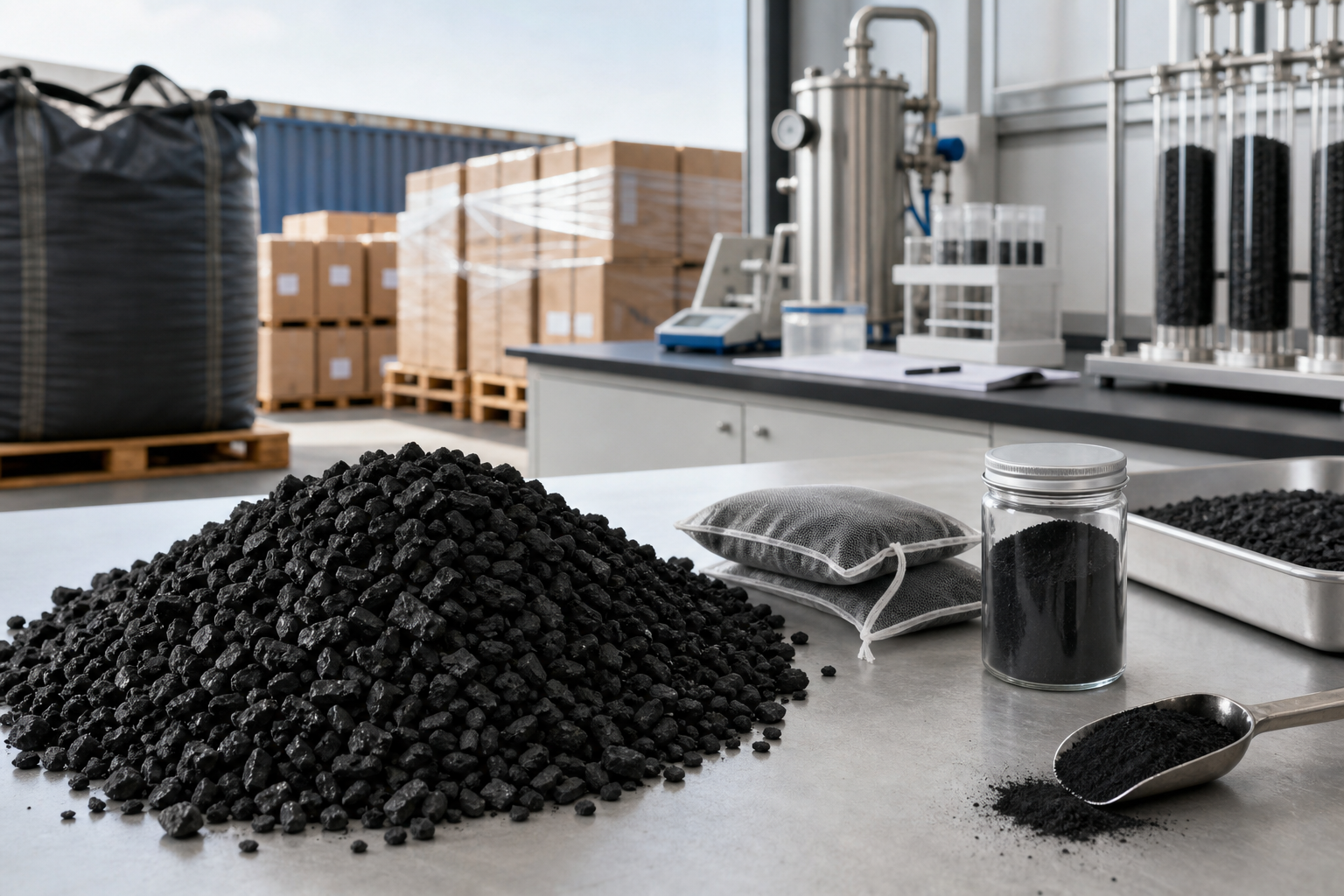
Novolac-Derived Activated Carbon Compared with Conventional Activated Carbon
Novolac-derived activated carbon appears in phenolic resin and electrode research, but it is not the same as specifying a commercial adsorbent grade. This article translates the term into pore-structure language, conventional GAC/PAC/pellet alternatives, and RFQ details buyers should clarify.
Read Article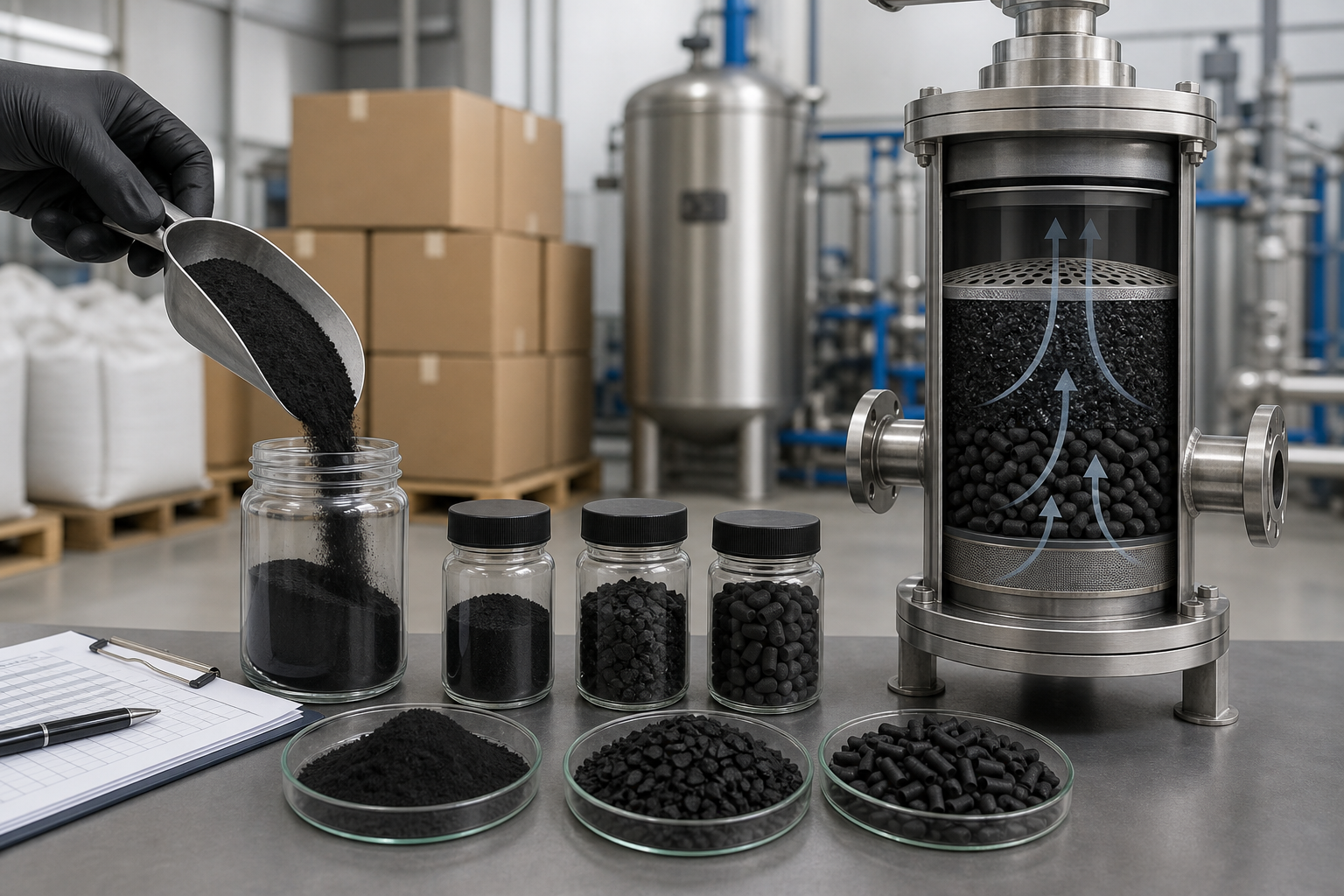
Powder Activated Carbon for Process Liquids and Treatment Systems
Powder activated carbon is only a good fit when the system can dose, mix, and separate fine PAC. Use this process-fit guide to check mesh size, slurry behavior, filtration risk, packing, and inquiry fields before sourcing.
Read Article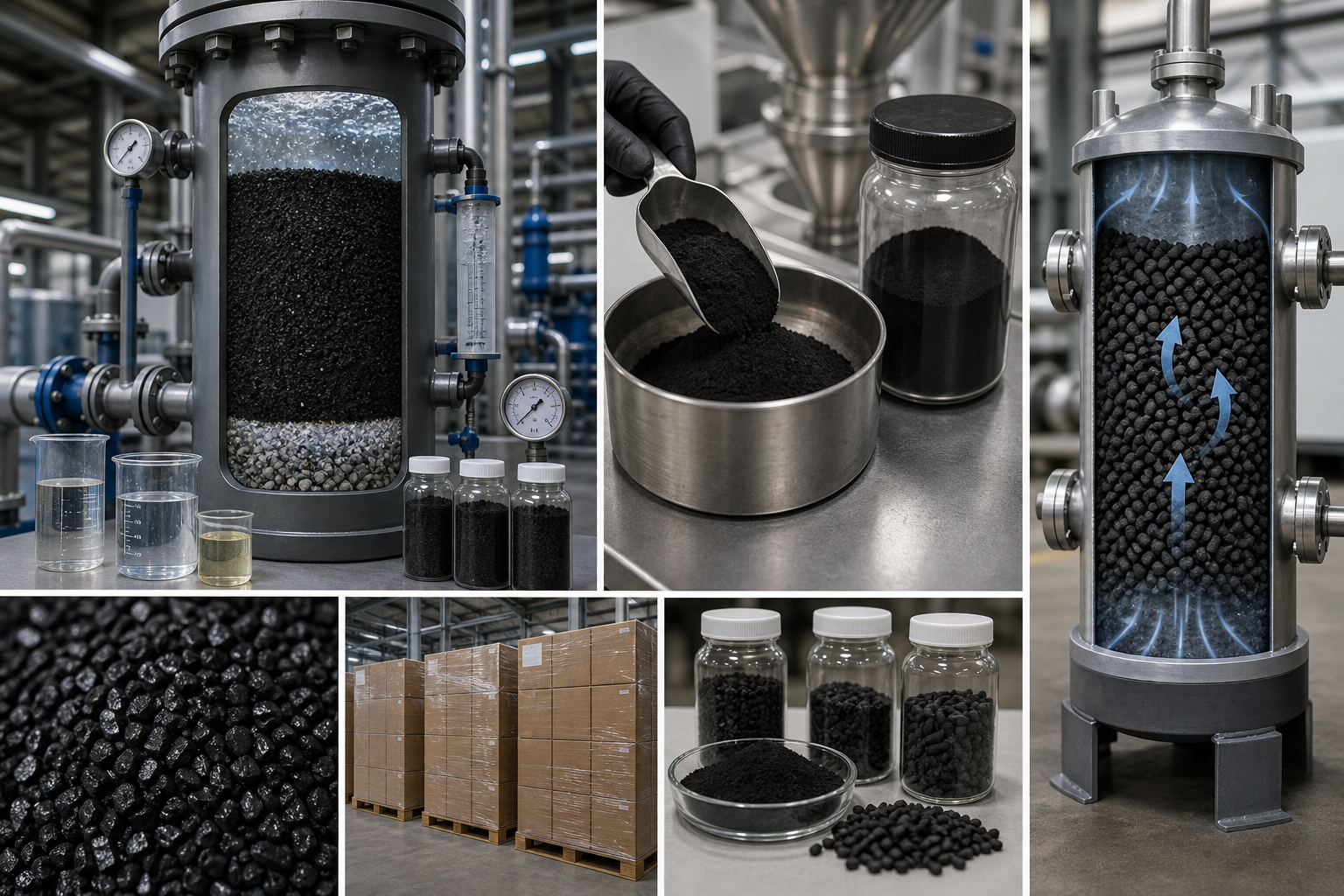
What Is Activated Carbon and How Does Adsorption Work?
Activated carbon is not a universal filter media; it works by adsorption inside a porous carbon structure. This explainer connects pore behavior, raw materials, GAC/PAC/pellet forms, and common spec fields so technical buyers can understand what a grade can indicate and what still needs application data or testing.
Read Article
Activated Carbon Water Filter Media: GAC Specs and System-Fit Checklist
For B2B buyers specifying an activated carbon water filter, the media is only one part of the system. This guide connects water source, GAC/PAC/carbon block fit, EBCT, pressure drop, QC indexes, and RFQ details so inquiries are clearer.
Read Article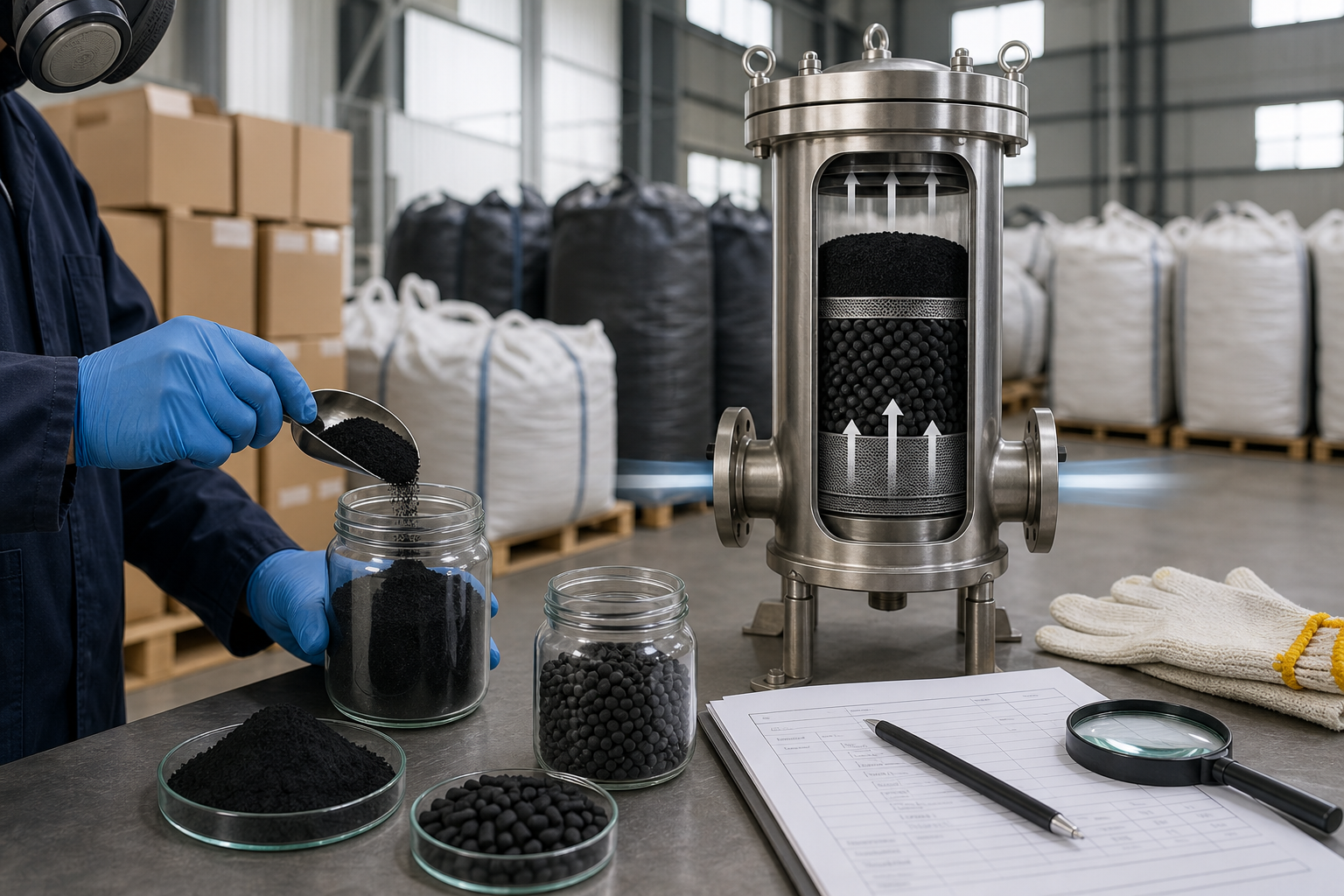
Norit Activated Carbon Alternatives for Industrial Buyers
For buyers with a NORIT grade in a legacy spec, this article separates original-brand purchasing from data sheet lookup and spec-based alternative evaluation. It shows which indexes, documents, and validation steps matter before asking DXD to review an industrial activated carbon alternative.
Read Article
Activated Carbon Suppliers: Turn a Broad Search Into an RFQ-Ready Shortlist
A procurement-focused guide for turning an activated carbon supplier search into a clearer shortlist, with practical criteria for supplier model, application fit, quote inputs, and line-by-line RFQ comparison.
Read Article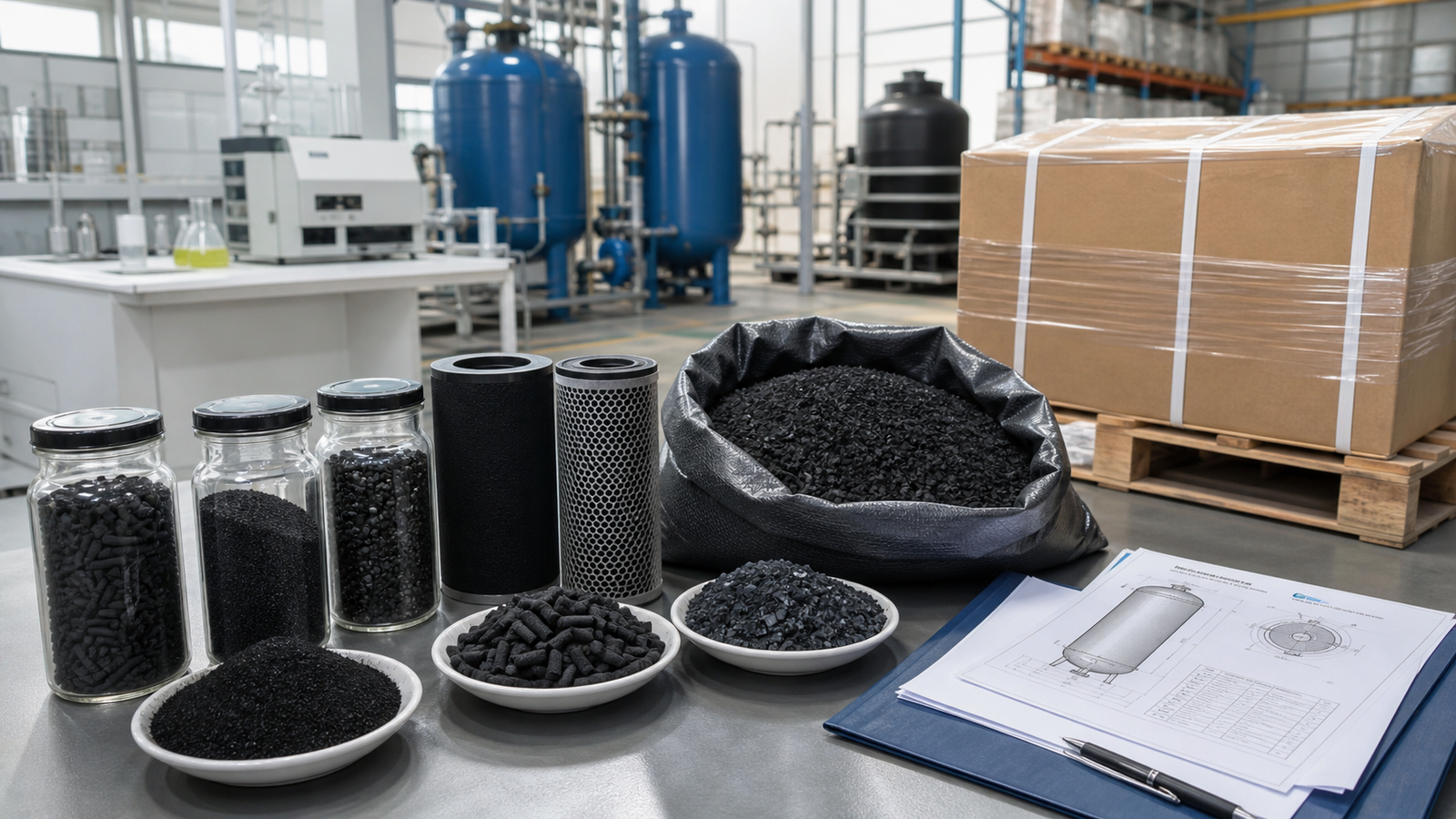
Bulk Activated Carbon Buying Guide: Compare Forms, Packaging, Documents, and Repeat Orders
Bulk activated carbon sourcing is a configuration task, not just a larger purchase. Compare GAC mesh, PAC dust risk, pellet diameter, packaging formats, documents, Incoterms, and repeat-order controls.
Read Article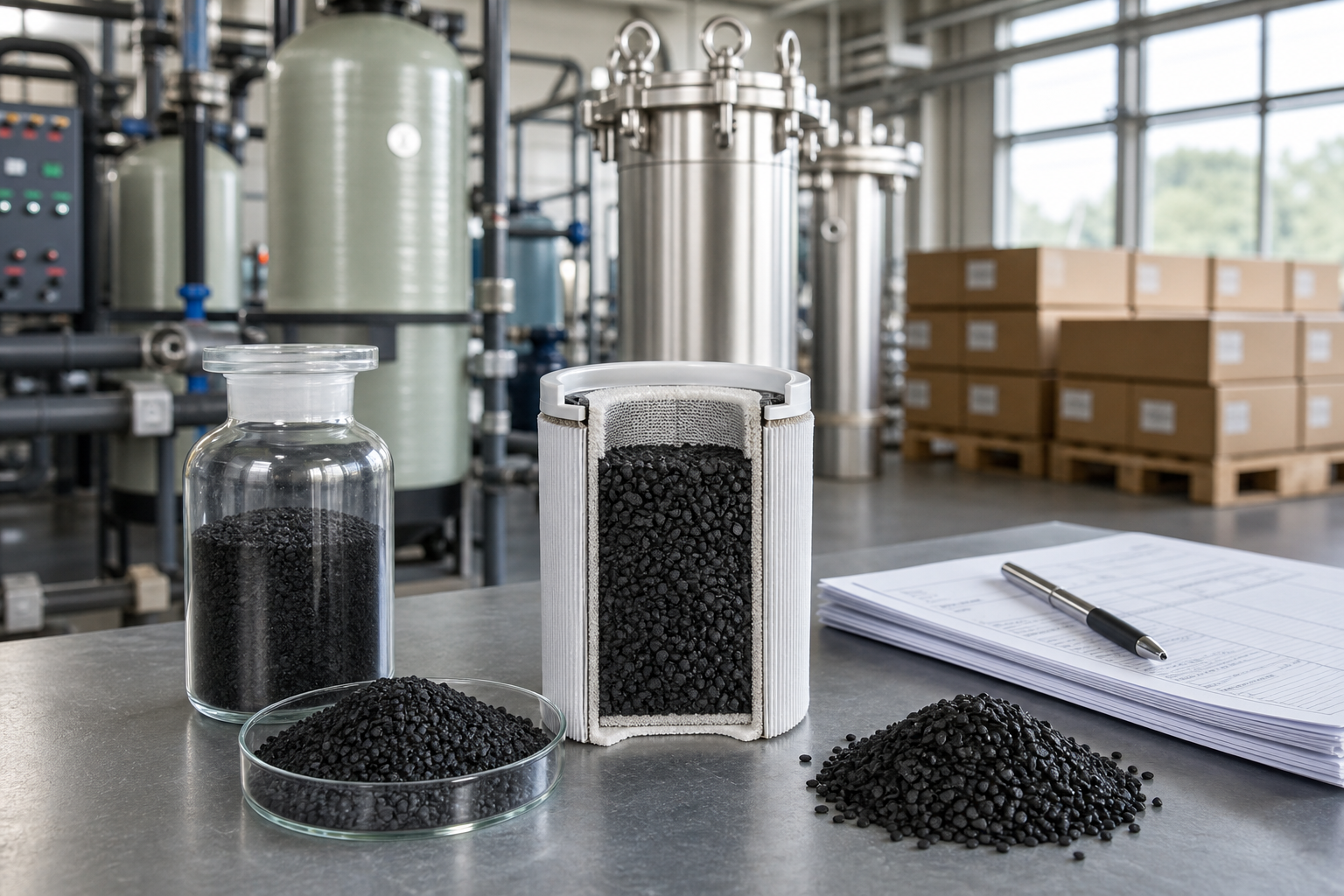
Granular Activated Carbon (GAC): Uses, Filters, and Selection Guide
A practical media-form guide for engineers and buyers replacing GAC in cartridges, vessels, or beds, with mesh, pressure drop, fines, specs, documents, and packaging checks.
Read Article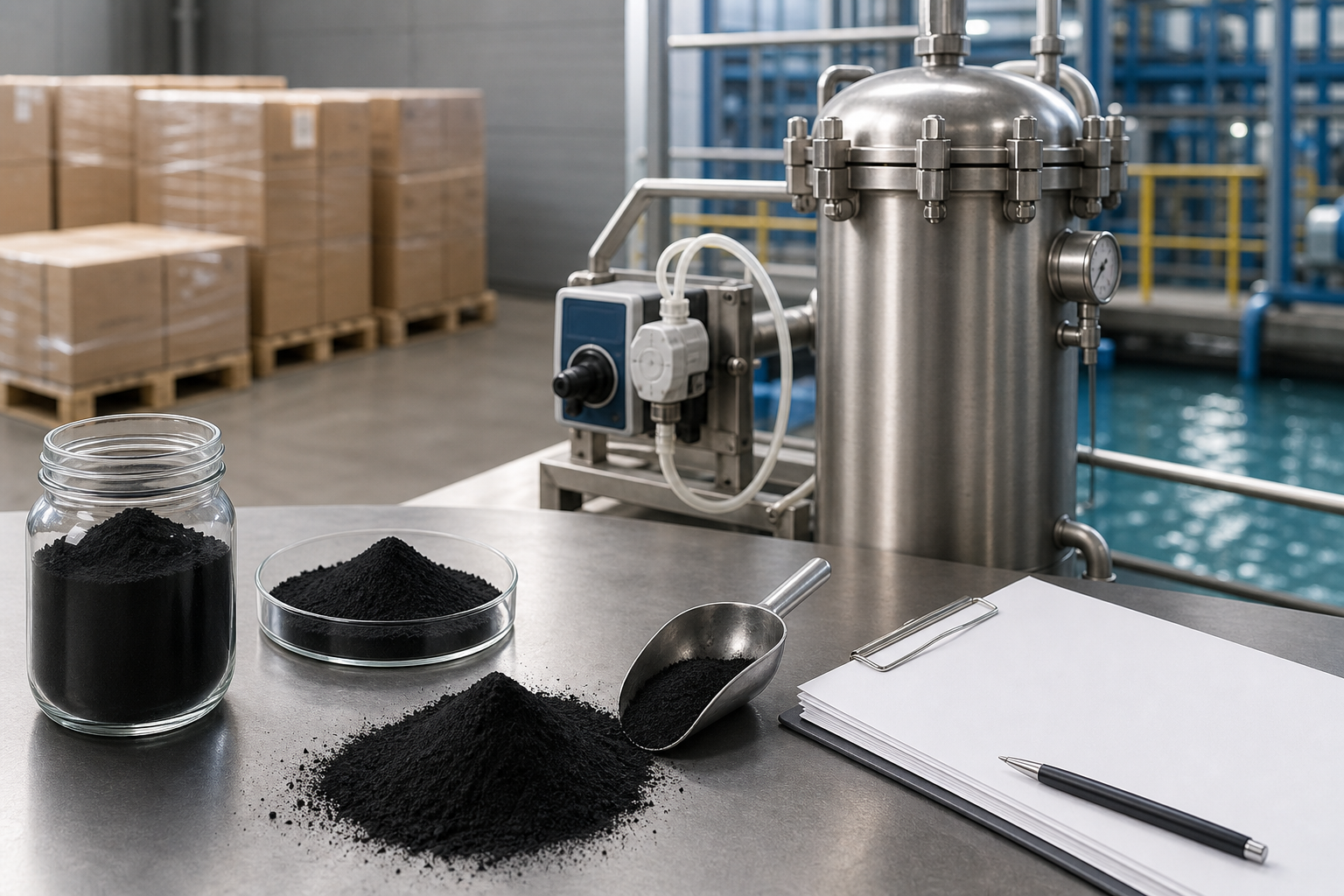
Powdered Activated Carbon (PAC): Dosing, Specs, and Selection Criteria
A PAC-focused selection resource for buyers evaluating powdered activated carbon by dosing method, particle behavior, downstream separation, handling, SDS, packaging, and quote inputs.
Read Article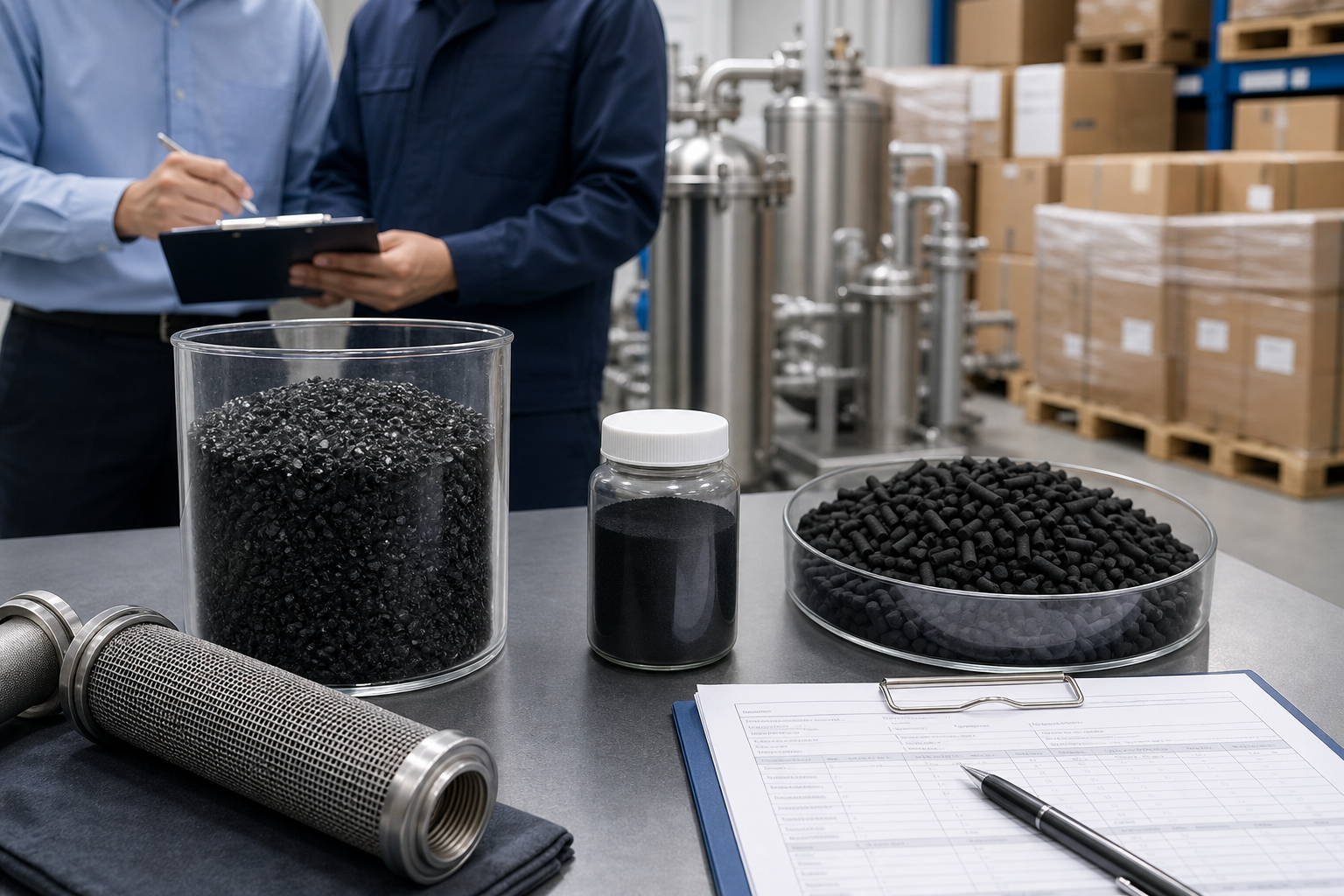
Coconut Shell Activated Carbon: Application Fit, Forms, and Buying Checks
Coconut shell activated carbon is not one fixed media format. This guide explains where it fits, how GAC, PAC, and pellets differ, and what buyers should verify before specifying a grade.
Read Article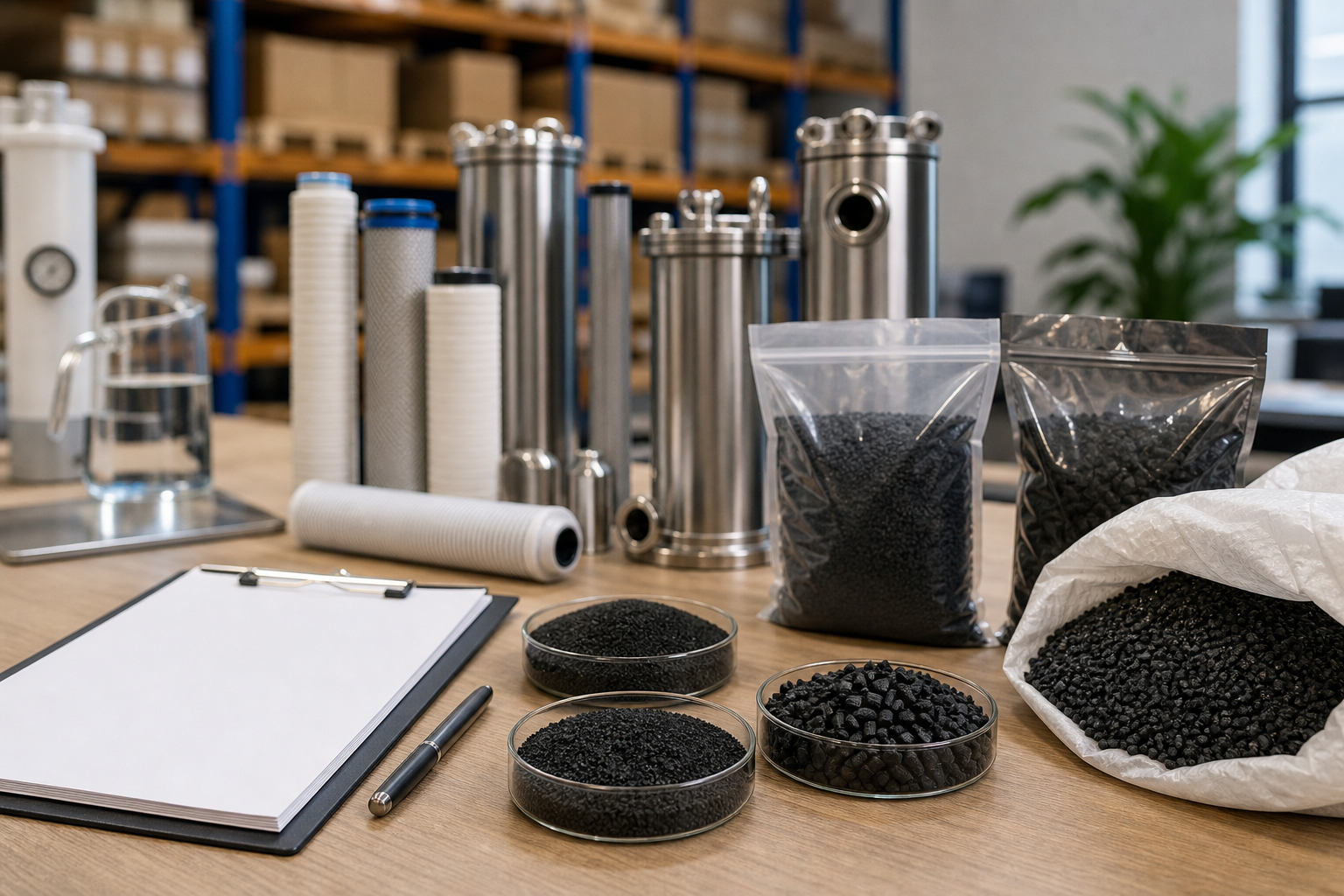
Activated Carbon Guide for B2B Filtration: Uses, Formats, Specs, and Sourcing
Activated carbon is easy to request by name but harder to specify correctly. This guide helps filtration buyers connect use case, media format, sourcing signals, price variables, and documentation before sending an RFQ.
Read Article