
Water utilities and plant engineers face strict limits since the U.S. EPA National Primary Drinking Water Regulation for PFAS set Maximum Contaminant Levels (MCLs) at 4.0 parts per trillion (ng/L) for PFOA and PFOS. Many bids still specify a single minimum iodine number such as 1,000 mg/g without naming the raw material base or mesopore index. That gap causes early breakthrough when large humic molecules plug the entry throats of a microporous filter bed.
Our adsorption process engineers and quality team at the DXD Carbon Shizuishan plant and lab (50,050 m2 site, 10,000+ MT/year) compiled this guide. It connects pore geometry, bed expansion, and batch testing to real vessel sizing. Engineers and bulk buyers can check our coal-based granular activated carbon specs and coconut shell granular activated carbon grades alongside our water treatment application hub.
| Engineering Parameter | Test Method | Bituminous Coal-Based GAC | Coconut Shell GAC | Process Engineering Impact |
|---|---|---|---|---|
| Dominant Pore Structure | IUPAC Classification | Bimodal micro + mesopores (2 to 50 nm) | High-density micropores (< 2 nm) | Coal prevents humic pore blockage; coconut maximizes trace VOC and short-chain PFAS density |
| Iodine Number | ASTM D4607 | 800 to 1,050 mg/g (Batch: 956 mg/g) | 950 to 1,100+ mg/g (Batch: 1,038 mg/g) | Indicates micropore surface area available for small molecules below 1.0 nm |
| Methylene Blue Adsorption | GB/T 7702.6 / 12496.10 | 120 to 200 mg/g (Batch: 175 mg/g) | 90 to 140 mg/g | Measures 2 to 15 nm mesopore capacity for TOC, color bodies, and PFOA/PFOS transport |
| Ball-Pan Hardness | ASTM D3802 | >= 90.0% to 93.0% (Batch: 92.4%) | >= 95.0% to 98.0% (Batch: 97.2%) | Coconut resists shear fines during frequent air-scour and thermal reactivation cycles |
| Total Ash Content | ASTM D2866 | 8.0% to 12.0% wt (Batch: 9.8%) | <= 3.0% to 5.0% wt (Batch: 3.1%) | Lower ash in acid-washed coconut shell GAC limits initial pH and arsenic spikes |
| Apparent Bulk Density | ASTM D2854 | 450 to 540 g/L (Batch: 490 g/L) | 450 to 530 g/L (Batch: 485 g/L) | Determines metric tons required to fill a fixed contactor volume (V_bed) |
| Design Contact Time (EBCT) | AWWA B604 Practice | 10 to 25 minutes | 10 to 20 minutes (3 to 6 min Cl2) | PFAS and surface-water TOC require longer empty bed contact times than dechlorination |
| Backwash Bed Expansion | Hydraulic Curve | 25% to 35% bed expansion | 20% to 30% bed expansion | Angular coal grains stratify more sharply after backwashing than flaky coconut particles |
Pore Size Distribution Governs PFAS and TOC Removal
Granular activated carbon (GAC) is a porous adsorbent produced by carbonizing coal or coconut shell at 450 to 600 degrees Celsius and activating the char with steam at 850 to 1,000 degrees Celsius. Under International Union of Pure and Applied Chemistry (IUPAC) standards, internal pores fall into three width zones: micropores (< 2 nm), mesopores (2 to 50 nm), and macropores (> 50 nm). Adsorption occurs primarily inside micropores and small mesopores where van der Waals forces hold dissolved organic molecules against the graphitic carbon walls.
Coconut shell feedstock has a tight cellular grain that yields 80% to 90% micropore volume (< 2 nm) during steam activation at 850 to 1,000 degrees Celsius. Those narrow slit pores match small volatile organic compounds (TCE, benzene, THMs), MTBE, and short-chain PFAS such as PFBA (C4) and PFBS (C4). When raw water holds very little background organic matter, coconut shell GAC gives the highest capacity per gram for small molecules.
Bituminous coal grades, especially briquetted and re-agglomerated coal carbons, form wide feeder macropores (> 50 nm) and transport mesopores (2 to 50 nm) leading into the micropores. Long-chain PFAS such as PFOA (C8, 414 g/mol) and PFOS (C8, 500 g/mol) form bulky hydrophobic clusters in water. Wide transport pores let these C8 chains diffuse fast to inner adsorption sites before water leaves the vessel.
How Does Background Dissolved Organic Carbon Cause Pore Fouling?
Natural surface waters drawn from rivers, lakes, and reservoirs carry dissolved organic carbon (DOC) composed of humic and fulvic acids ranging from 500 to 10,000 Daltons. Because humic molecules travel faster through the contactor bed than trace PFAS at parts-per-trillion levels, background organics pre-load the lower carbon layers ahead of the PFAS mass transfer zone (MTZ). If the carbon lacks 2 to 50 nm mesopores, bulky humic macromolecules wedge into the narrow pore mouths and block PFAS molecules from reaching empty inner micropores.
Methylene blue adsorption is a liquid-phase titration metric (expressed in mg/g under GB/T 7702.6) that measures 2 to 15 nm mesopores for medium-sized molecules. Engineers who specify only an ASTM D4607 iodine number (>= 1,000 mg/g) often receive a microporous carbon with a methylene blue value below 110 mg/g. In surface water with TOC above 2.0 mg/L, a coal GAC grade (900 to 950 mg/g iodine, 160 to 185 mg/g methylene blue) resists humic fouling. It outlasts a 1,050 mg/g coconut shell GAC grade by 30% to 50% in bed volumes before 4.0 ppt PFOA breakthrough.
- Low-TOC Groundwater (TOC < 1.5 mg/L, UV254 < 0.03 cm-1): Pore constriction from natural organic matter is minimal. Specify 12x40 mesh steam-activated coconut shell granular activated carbon to capture short-chain PFBA, PFBS, PFHxS, and co-occurring chlorinated solvents.
- Surface Water & High-DOC Influent (TOC >= 2.0 mg/L): Humic acid fouling dominates bed life. Specify 8x30 or 12x40 mesh coal-based granular activated carbon with a minimum methylene blue index of 150 to 180 mg/g to maintain fast pore diffusion and lower disinfection byproduct (DBP) precursors.
- Industrial Wastewater & Landfill Leachate (COD > 50 mg/L): High molecular weight surfactants, dyes, and organic acids require maximum transport porosity. Use re-agglomerated bituminous coal GAC (8x30 mesh) as the primary roughing contactor to prevent rapid pressure drop and premature breakthrough.
Backwash Bed Expansion Hydraulics and Mesh Sizing
Empty bed contact time (EBCT) is the residence time of water passing through an adsorber vessel calculated as total carbon bed volume divided by volumetric flow rate (EBCT = V_bed / Q). Per U.S. EPA drinking water treatment technology guidance, municipal PFAS vessels need a 10 to 20 minute EBCT per tank (20 to 30 minutes across lead-lag pairs). Free chlorine removal, by contrast, requires only 3 to 6 minutes. Selecting the right US sieve mesh size (8x30 vs. 12x40) balances mass transfer kinetics against head loss and backwash water consumption.
- 8x30 US Mesh (2.36 to 0.60 mm, Effective Size d10 = 0.80 to 1.00 mm): Standard choice for open gravity filter basins, retrofit sand-filter caps, and high-turbidity surface waters. Larger particle diameter keeps clean-bed head loss low at superficial liquid velocities of 10 to 25 m/hr (4 to 10 gpm/ft2) and allows trapped silt to flush out during routine backwashing.
- 12x40 US Mesh (1.70 to 0.425 mm, Effective Size d10 = 0.55 to 0.75 mm): Standard choice for pressurized steel vessels treating pre-filtered groundwater or post-sand-filter municipal streams. Smaller particle radius shortens the internal diffusion path by 35%, sharpening the PFAS mass transfer zone and delaying lead-vessel breakthrough.
- Uniformity Coefficient (UC = d60 / d10): Per AWWA B604 rules, municipal GAC should keep a uniformity coefficient at or below 1.9 (and <= 1.5 for deep gravity beds). Tight grading stops fine grains from rising to the top of the bed and washing over the backwash launder trough.
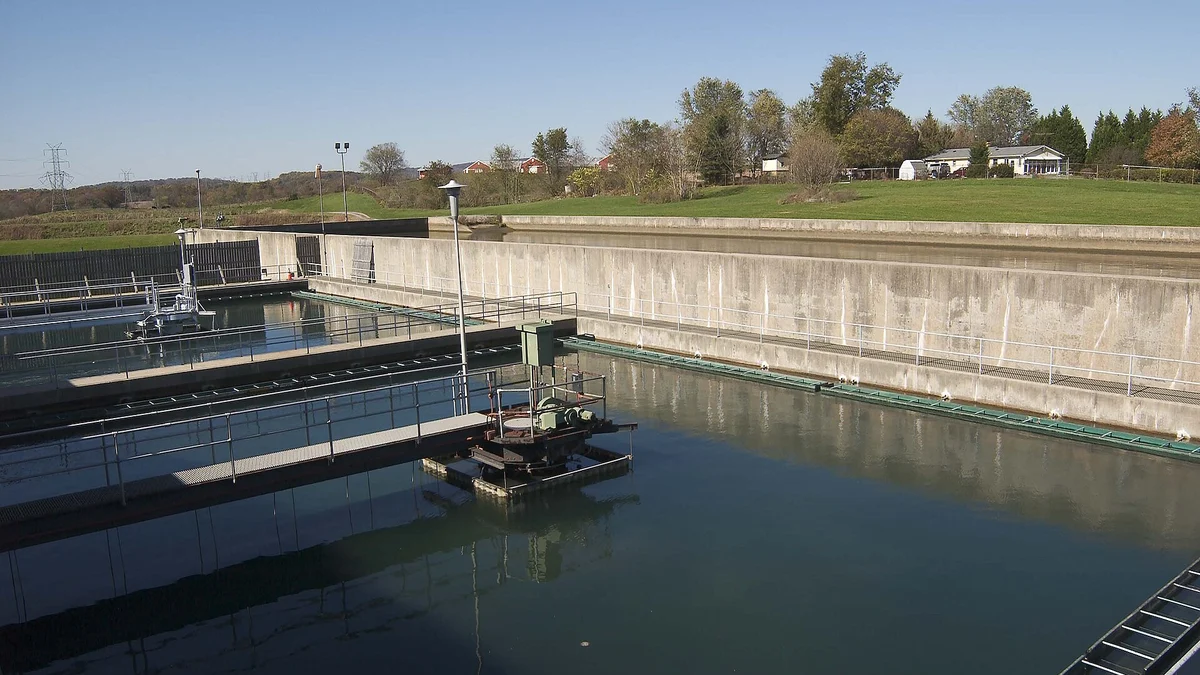
Backwash flow rates differ between coal and coconut media even when both share a 480 to 500 g/L apparent density under DXD Carbon laboratory test protocols. Bituminous coal grains have a blocky shape with a wetted drained density of 400 to 460 kg/m3. They need 25% to 35% bed expansion during backwash to flush trapped floc and re-stratify cleanly. Coconut shell grains have a flatter flake shape that interlocks in fixed beds, running best at 20% to 30% expansion after a 24 to 48 hour degassing soak.
| Hydraulic & Sizing Metric | 8x30 Mesh Coal GAC | 12x40 Mesh Coal GAC | 12x40 Mesh Coconut GAC | Engineering Design Note |
|---|---|---|---|---|
| US Sieve Aperture Range | 2.36 to 0.60 mm | 1.70 to 0.425 mm | 1.70 to 0.425 mm | Verified by Ro-Tap dry sieve shaker per ASTM D2862 |
| Effective Size (d10) | 0.85 to 1.05 mm | 0.55 to 0.75 mm | 0.55 to 0.70 mm | Controls clean-bed pressure drop and minimum backwash velocity |
| Uniformity Coefficient (UC) | <= 1.8 to 1.9 | <= 1.7 to 1.9 | <= 1.5 to 1.7 | Lower UC prevents media loss over backwash weirs |
| Typical Bed Depth (H_bed) | 1.2 to 3.0 m | 1.5 to 3.0 m | 1.0 to 2.5 m | Deeper beds increase linear velocity at fixed EBCT |
| Superficial Velocity (v) | 8 to 25 m/hr | 8 to 20 m/hr | 5 to 20 m/hr | 1.0 gpm/ft2 = 2.445 m/hr |
| Target Backwash Expansion | 25% to 35% | 25% to 30% | 20% to 30% | Adjust backwash flow rate for winter (5 C) vs. summer (25 C) viscosity |
Auditing ASTM D4607 Iodine, Methylene Blue, and AWWA B604 Specifications
Ball-pan hardness is the percentage of granular carbon retained on a designated sieve after 30 minutes of mechanical steel-ball abrasion under ASTM D3802. High mechanical hardness prevents carbon particles from breaking into sub-40-mesh fines during hydraulic loading, eductor slurry transfer, and air-scour backwashing. Coconut shell GAC naturally achieves 95.0% to 98.0% ball-pan hardness, whereas bituminous coal GAC achieves 90.0% to 93.0%, both exceeding the 70% minimum floor set by AWWA B604 for granular drinking water media.
When auditing supplier Certificates of Analysis (COAs) before container shipment, engineers should check how each test parameter is measured in the plant laboratory. As detailed in our ASTM activated carbon laboratory testing guide, ASTM D4607 iodine number requires a three-point adsorption isotherm interpolated to a residual filtrate normality of exactly C = 0.02 N. Single-point titrations performed at higher residual concentrations can inflate reported iodine numbers by 40 to 70 mg/g.
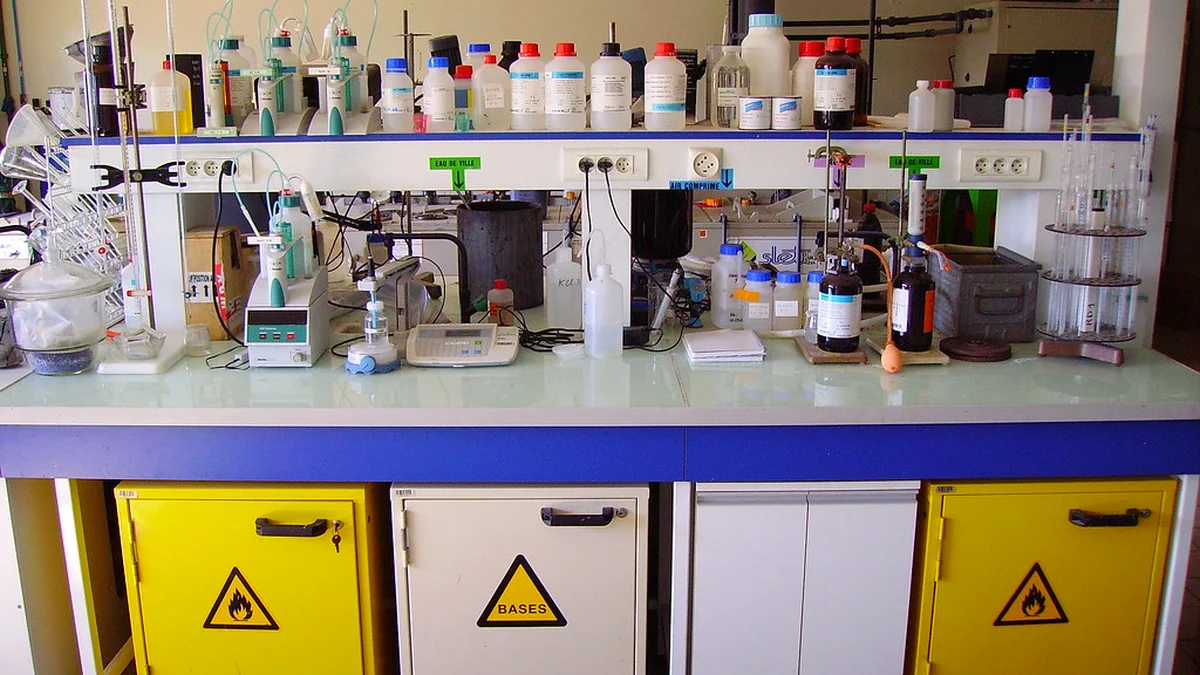
Ash composition and initial water-extract pH also require strict control under WHO drinking water quality guidelines and NSF/ANSI 61 leaching limits. Unwashed steam-activated carbon holds alkaline mineral oxides (calcium, magnesium, and potassium carbonates). Those minerals push initial effluent pH to 9.0 to 10.8 during the first 50 to 150 bed volumes of startup rinsing. For plants with strict pH permits (6.5 to 8.5) or arsenic limits, acid-washed GAC keeps total ash below 3.0% to 5.0% (ASTM D2866). It stabilizes startup pH without days of acid flushing.
When Should Engineers Choose Lead-Lag Hybrid GAC Vessels?
Water utilities treating blended surface and groundwater face a dual challenge. Spring runoff causes seasonal TOC spikes of 2.5 to 4.5 mg/L (tracked by USGS water resources programs) alongside year-round PFAS mixtures. Running two contactors in a series lead-lag configuration allows operators to drive the lead vessel to 80% or 100% contaminant saturation while the lag vessel polishes the effluent below 4.0 ppt. Once the lead vessel reaches exhaustion, fresh or reactivated media is loaded into that vessel and valved into the lag position.
- Two-Stage Bituminous Coal Lead-Lag Train: Optimal when background DOC stays above 2.0 mg/L year-round and PFOA, PFOS, or PFHxS are the regulatory drivers. Both vessels use 8x30 or 12x40 mesh bituminous coal GAC so either tank can rotate into the lead position without changing backwash pump setpoints.
- Coal Lead + Coconut Lag Hybrid Train: Used in dedicated two-vessel industrial or groundwater systems. Vessel A (coal GAC, 10 to 12 min EBCT) strips out bulky humic acids, surfactants, and C8 PFAS. That protects Vessel B (acid-washed 12x40 coconut shell GAC, 10 min EBCT) so its dense micropores stay open to capture short-chain PFBA, PFBS, and VOCs.
- Thermal Reactivation Planning: If a utility plans off-site thermal reactivation at 750 to 900 degrees Celsius after exhaustion, verify whether the reactivation contractor segregates coal and coconut media. Mixing coal and coconut GAC inside a single vessel prevents clean density separation and alters the pore profile of the returned reactivated carbon.
Specifying DXD Coal-Based vs. Coconut Shell GAC Grades
At our 50,050 m2 plant in Shizuishan, Ningxia (10,000+ MT annual output), we run rotary carbonization kilns (450 to 600 degrees Celsius). We pair them with steam activation furnaces (850 to 1,000 degrees Celsius) for both coal and coconut shell lines. Every export lot is verified in-house for ASTM D4607 iodine, GB/T 7702.6 methylene blue, ASTM D3802 hardness, ASTM D2866 ash, ASTM D2867 moisture, and ASTM D2862 mesh size. Buyers replacing legacy brands can check our Calgon, Norit, and Jacobi activated carbon cross-reference guide and Interactive TDS and COA Center.
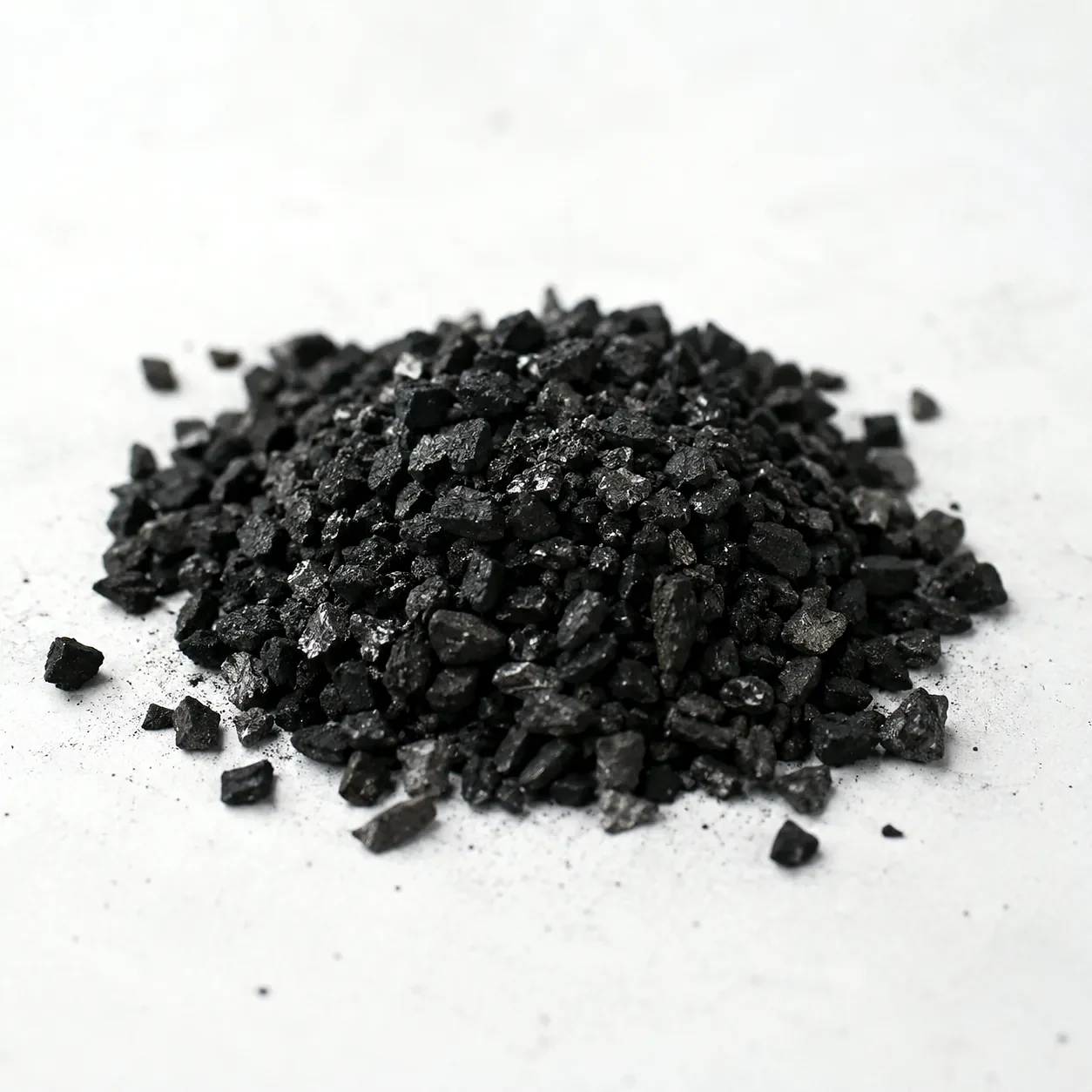
Our coal-based granular activated carbon is a direct specification match for Calgon Filtrasorb 300 and 400, Norit GAC 830 and 1240, and Jacobi AquaSorb 1000 and 2000. Standard water grades supply 900 to 1,050 mg/g iodine and 150 to 200 mg/g methylene blue adsorption. They hold >= 90% ball-pan hardness, <= 12% ash, and <= 5% moisture across 8x30 and 12x40 US mesh cuts.
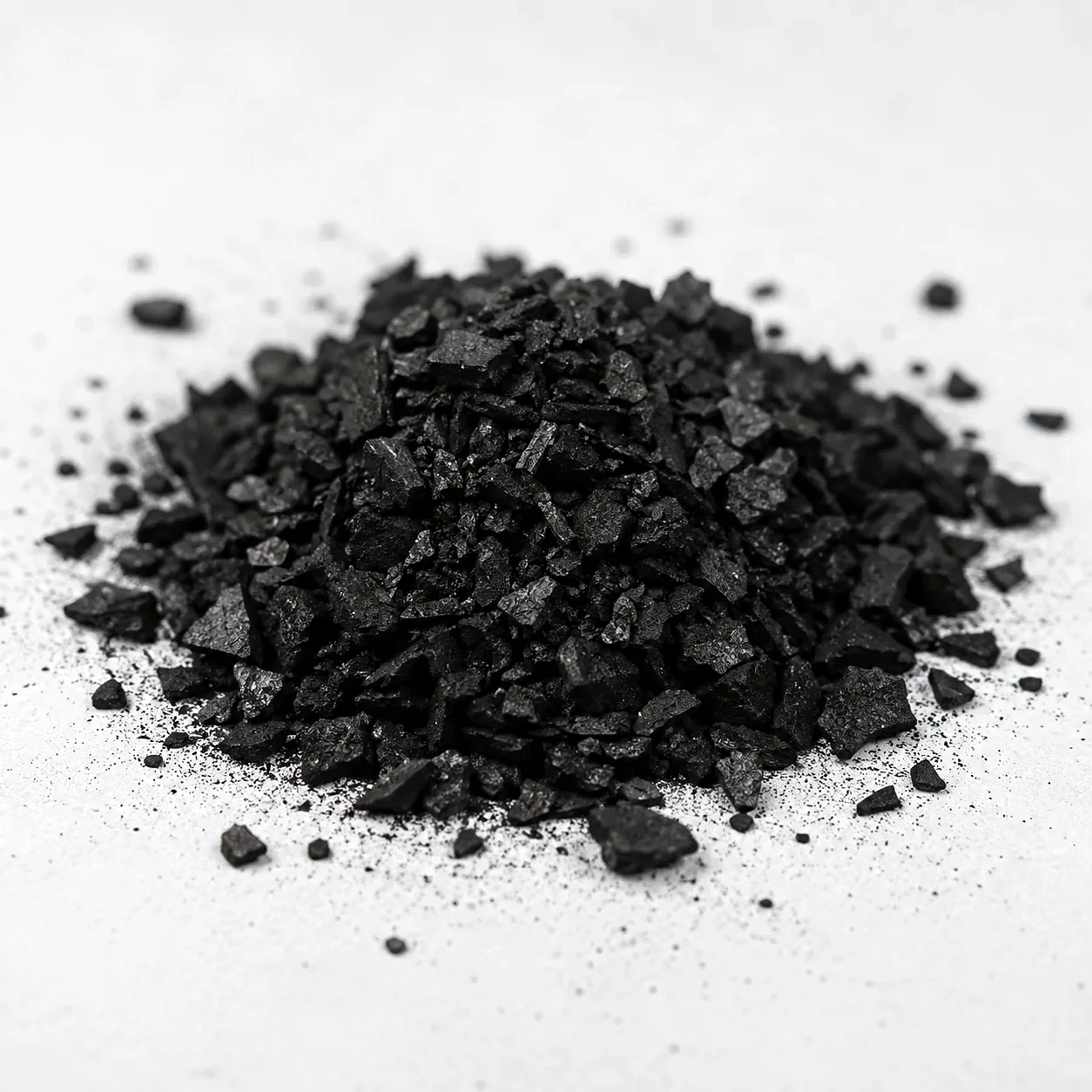
Our coconut shell granular activated carbon matches the pore geometry and abrasion resistance of Calgon OLC 12x40 and 8x30, Norit GCN 1240 and 830, and Jacobi AquaSorb CS and CX. We supply standard steam-activated grades (pH 8.5 to 10.5, ash <= 4.0%) and acid-washed potable water grades (pH 6.5 to 8.0, ash <= 3.0%). Both options deliver 1,000 to 1,100+ mg/g iodine and 95% to 98% ball-pan hardness. We pack bulk orders in 25 kg moisture-lined bags or 500 kg and 1,000 kg FIBC super sacks, loading 9 to 11 MT per 20GP or 20 to 24 MT per 40HQ container. Check our GAC water filter media system-fit checklist or contact our engineering desk for a batch COA and 500 g Rapid Small-Scale Column Testing (RSSCT) sample.
| Bulk Manufacturing Grade | International Brand Cross-Reference | Mesh Sizes (ASTM D2862) | Iodine (ASTM D4607) | Methylene Blue | Hardness (ASTM D3802) | Best-Fit Water Application |
|---|---|---|---|---|---|---|
| Bituminous Coal GAC (900 to 950 Iodine) | Calgon Filtrasorb 300 / Norit GAC 830 / Jacobi AquaSorb 1000 | 8x30, 12x40 | >= 900 to 950 mg/g | >= 150 to 175 mg/g | >= 90% to 92% | Surface water TOC, DBP precursors, wastewater COD |
| High-Activity Bituminous Coal GAC (1,000+ Iodine) | Calgon Filtrasorb 400 / Norit GAC 1240 / Jacobi AquaSorb 2000 | 8x30, 12x40 | >= 1,000 to 1,050 mg/g | >= 180 to 200 mg/g | >= 90% to 93% | Municipal PFOA/PFOS lead-lag vessels with background DOC |
| Steam-Activated Coconut Shell GAC (Water Washed) | Calgon OLC 12x40 / Norit GCN 1240 / Jacobi AquaSorb CS | 8x30, 12x40, 20x40 | >= 1,000 mg/g | >= 100 to 120 mg/g | >= 95% to 97% | Low-TOC groundwater, VOCs, THMs, free chlorine dechlorination |
| Acid-Washed Coconut Shell GAC (Potable & RO Grade) | Acid-Washed Potable & RO Pre-Filtration Grade | 8x30, 12x40, 20x40 | >= 1,050 to 1,100 mg/g | >= 110 to 135 mg/g | >= 96% to 98% | Short-chain PFAS (PFBA/PFBS), RO protection, neutral startup pH |