Activated carbon in one sentence
Activated carbon is a highly porous carbon adsorbent used to hold certain molecules from liquid-phase treatment and gas-phase treatment streams on the internal surfaces of its pores. In industrial language, activated carbon and activated charcoal often refer to the same family of materials, but buyers should evaluate the product form, raw material, particle size, and QC data rather than the name alone.
It is not a simple screen that removes every particle by size. A sand filter may strain suspended solids; activated carbon is selected mainly because dissolved or vapor-phase compounds can attach to its pore surfaces. That makes it useful in water treatment, air purification, odor control, decolorization, industrial gas treatment, and gold recovery when the contaminant class and system design are appropriate.
The first application-fit judgment is therefore basic: if the problem is mainly turbidity, scale, salts, or microbial control, activated carbon may be only one part of the treatment train, not the whole solution. If the problem involves organics, color bodies, VOCs, odors, or process impurities that adsorb well, it becomes a practical media to evaluate.
Adsorption, pore structure, and raw material are connected
Adsorption is surface attachment; absorption is soaking into the bulk of a material. In most activated carbon uses, contaminants are not destroyed. They migrate from water, process liquid, air, or gas into a network of pores and attach to carbon surfaces until the available sites become less effective. Contact time, concentration, and competing molecules all influence how quickly this happens.
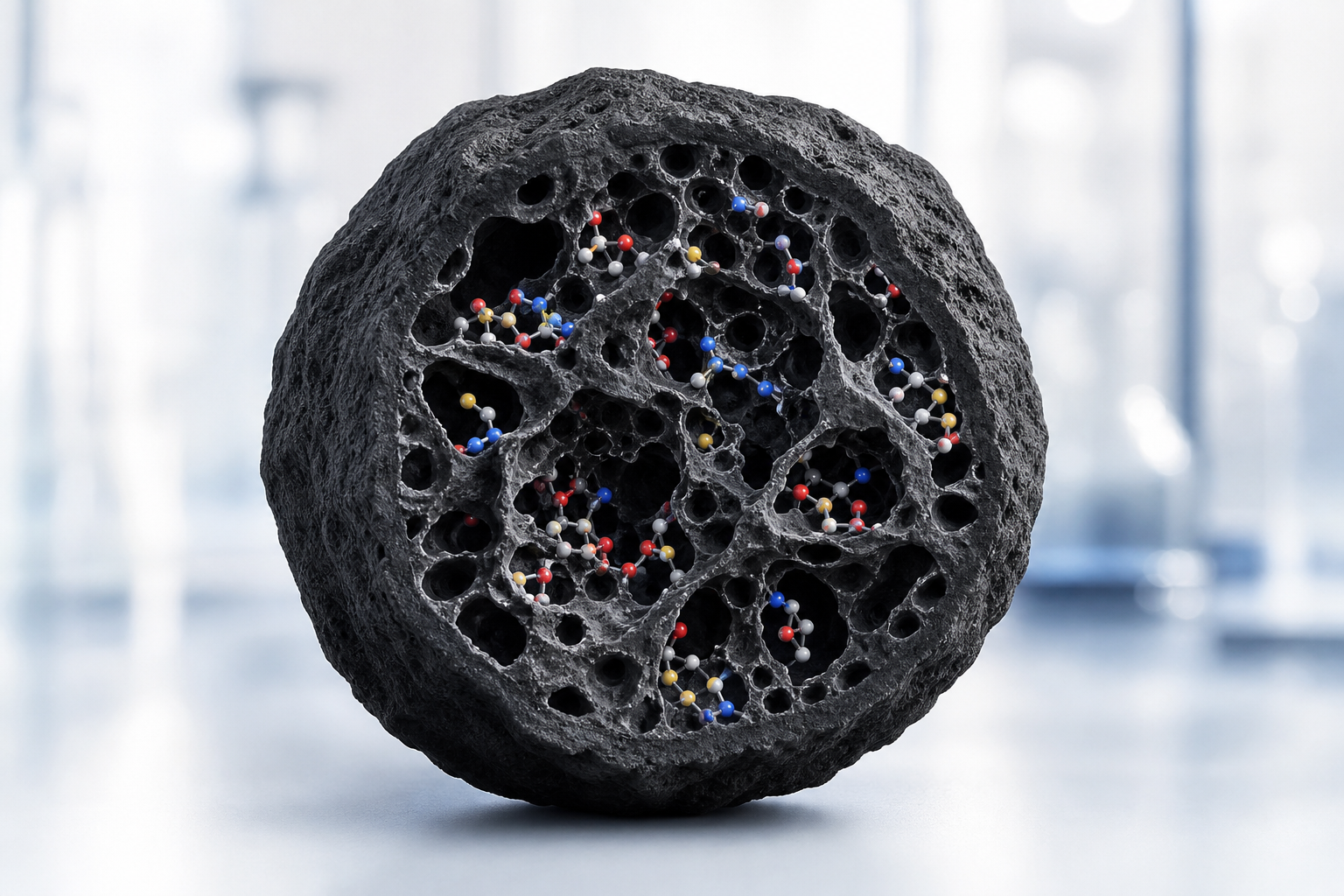
Pore structure explains why two carbons with similar names may behave differently. Micropores are associated with smaller molecules and high internal surface area, while mesopores help larger organics and color bodies reach adsorption sites. Pore fit is affected by molecule size, pH in liquid-phase service, humidity and temperature in gas-phase service, and the chemistry of the stream.
Common bases include coconut shell activated carbon, coal based activated carbon, and wood based activated carbon. Activation develops porosity through physical or chemical processing, but the raw material label is not a performance guarantee. Coconut shell, coal, and wood can each be suitable when pore structure, ash expectations, hardness, form, and application conditions line up with the target job.
How GAC, PAC, and pellet carbon behave in real systems
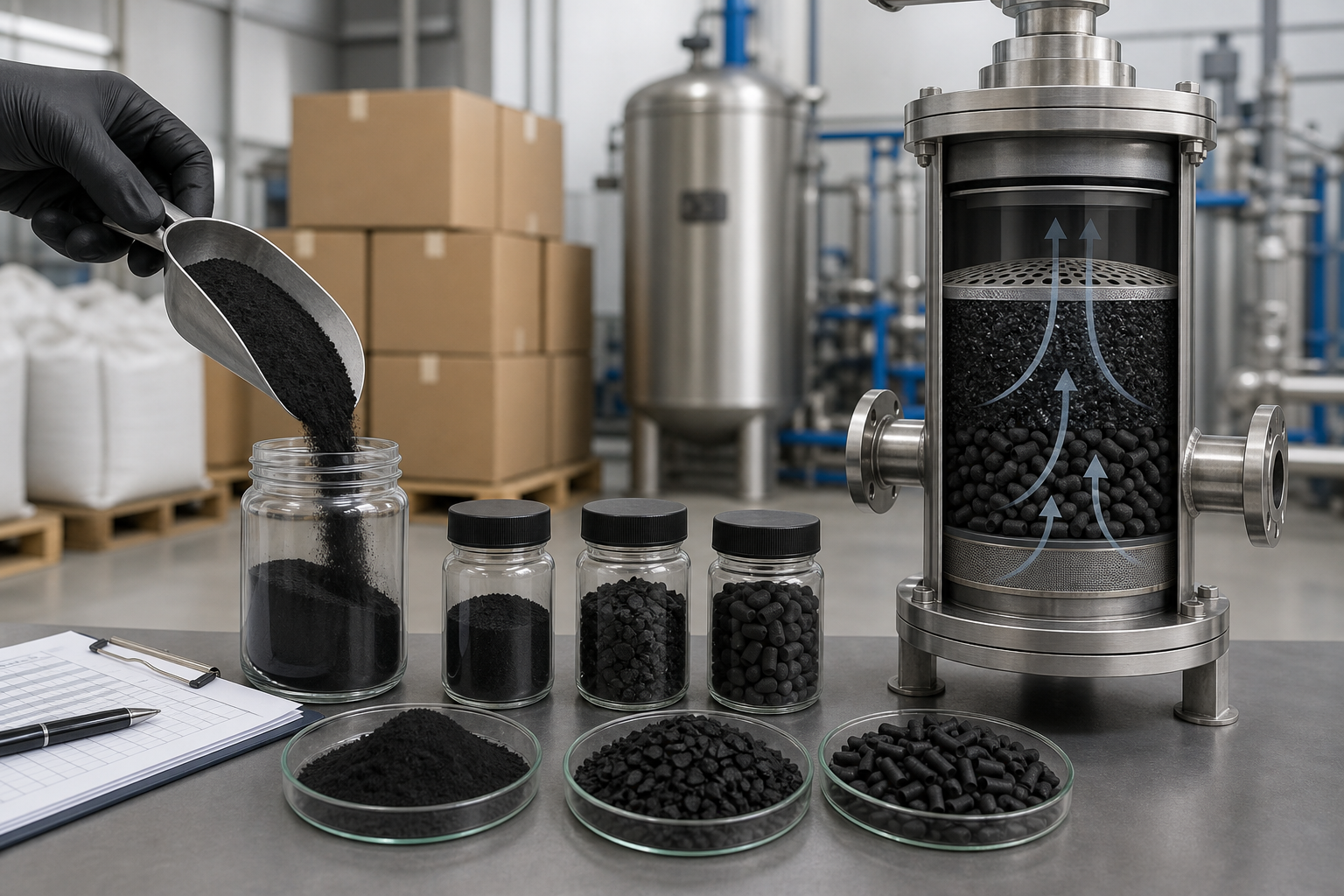
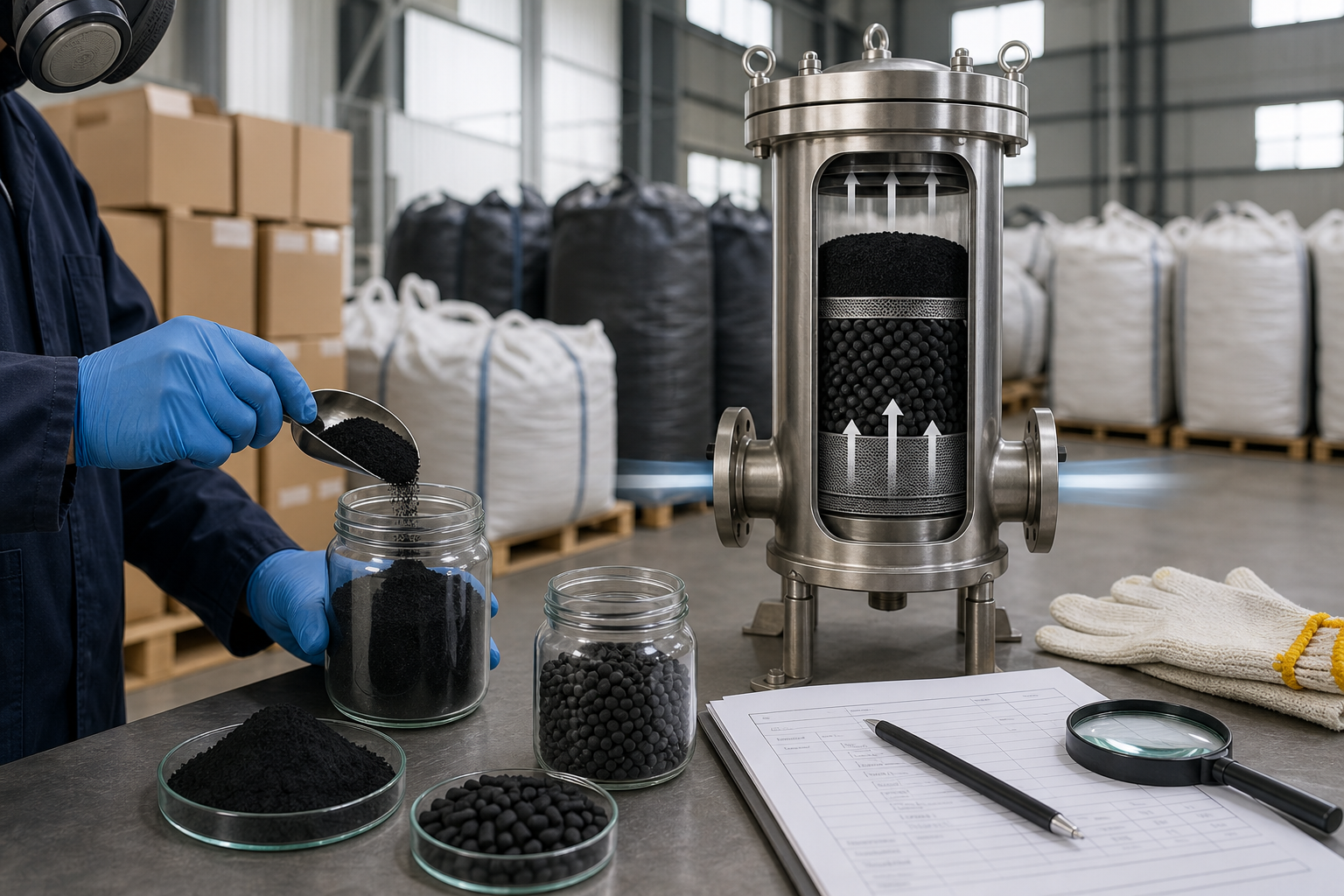
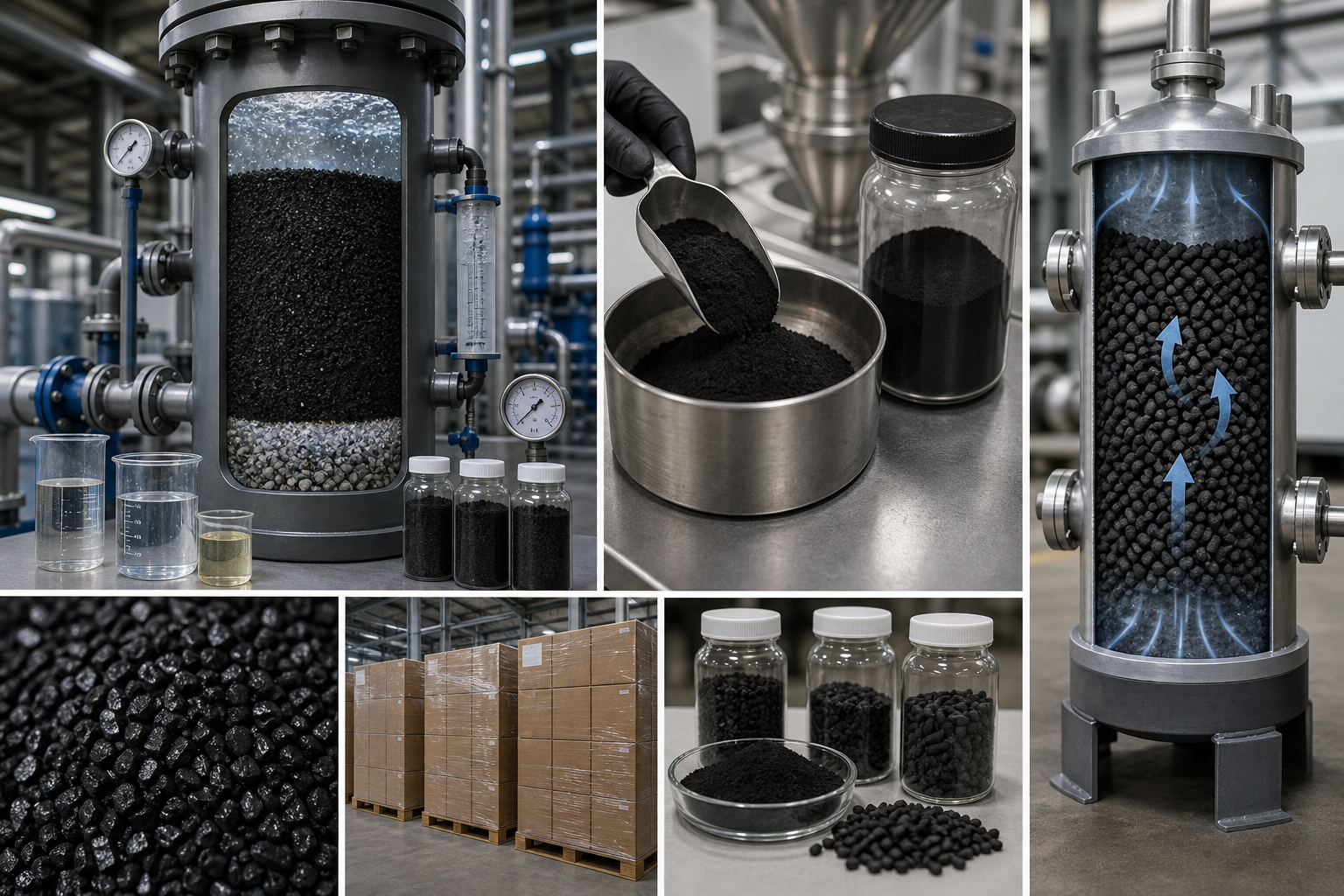
Granular activated carbon is typically chosen for beds, vessels, cartridges, and refillable housings where water or liquid passes through a packed media. Mesh size affects flow distribution, backwash behavior, fines release, and pressure drop. A finer GAC may give more contact, but it can also increase resistance or create handling problems if the vessel was designed for a coarser media.
Powdered activated carbon is different: it is dosed into a tank, contactor, or process liquid, then separated by settling, filtration, or another downstream step. PAC dosing is useful for temporary events, batch treatment, wastewater, and decolorization, but buyers must plan wetting, dust control, contact time, and solids removal. For deeper powder behavior considerations, see this guide to powdered activated carbon dosing and selection criteria.
Pellet activated carbon is often considered for airflow, vapor-phase service, and packed beds where pellet diameter and mechanical strength affect pressure drop and dust generation. Practical fit is not better-or-worse by form: fixed-bed water filters usually point toward GAC, batch color removal often points toward PAC, and gas-phase airflow may justify pellets.
Activated carbon specification glossary for buyers
Specification numbers are decision clues, not field guarantees. Use them to ask better questions about contaminant class, equipment fit, and receiving checks before comparing grades or approving a purchase.

| Spec or field | What it usually indicates | Where it matters | Buyer decision cue | What not to assume |
|---|---|---|---|---|
| Iodine value, CTC, methylene blue | Relative adsorption under set test methods for small molecules, vapor-phase compounds, or larger color bodies. | Water polishing, VOC or odor control, decolorization. | Match the index to the contaminant class, not just to the highest number. | One strong index does not prove service life or universal removal. |
| Ash, moisture, hardness, dust | Mineral residue, water content, abrasion resistance, and fines tendency. | Food and beverage, fixed beds, handling, filling, and receiving inspection. | Confirm acceptable ranges, packing condition, and whether COA review is needed. | Low price cannot offset media that breaks down or creates excessive dust. |
| Mesh size, pellet diameter | Particle distribution or formed carbon size. | Vessels, cartridges, screens, air beds. | Check support screens, flow path, refill method, and pressure drop. | Do not substitute particle sizes without checking equipment compatibility. |
| EBCT, pressure drop, breakthrough | Contact time, hydraulic or airflow resistance, and exhaustion behavior. | Fixed-bed water, air purification, industrial gas treatment. | Use these fields to plan bed depth, flow, and changeout review. | Lab index values alone do not define field performance. |
| PAC dosing | Powder feed rate, mixing, contact time, and separation requirement. | Wastewater, process liquids, color correction. | Test dosage and downstream filtration or settling before scale-up. | Do not ignore wetting, dust, sludge, and disposal impacts. |
Assumptions to verify before choosing a grade and contacting DXD
A high iodine value does not automatically mean the best activated carbon for every job. Similar product names also do not make grades interchangeable. Flow rate, pH, humidity, bed depth, EBCT, contaminant mix, and breakthrough targets can change the result. Procurement risk warning: approving a quote that lists only activated carbon without mesh size or pellet diameter, target QC index, packing, and document expectations can create receiving disputes or poor system fit.
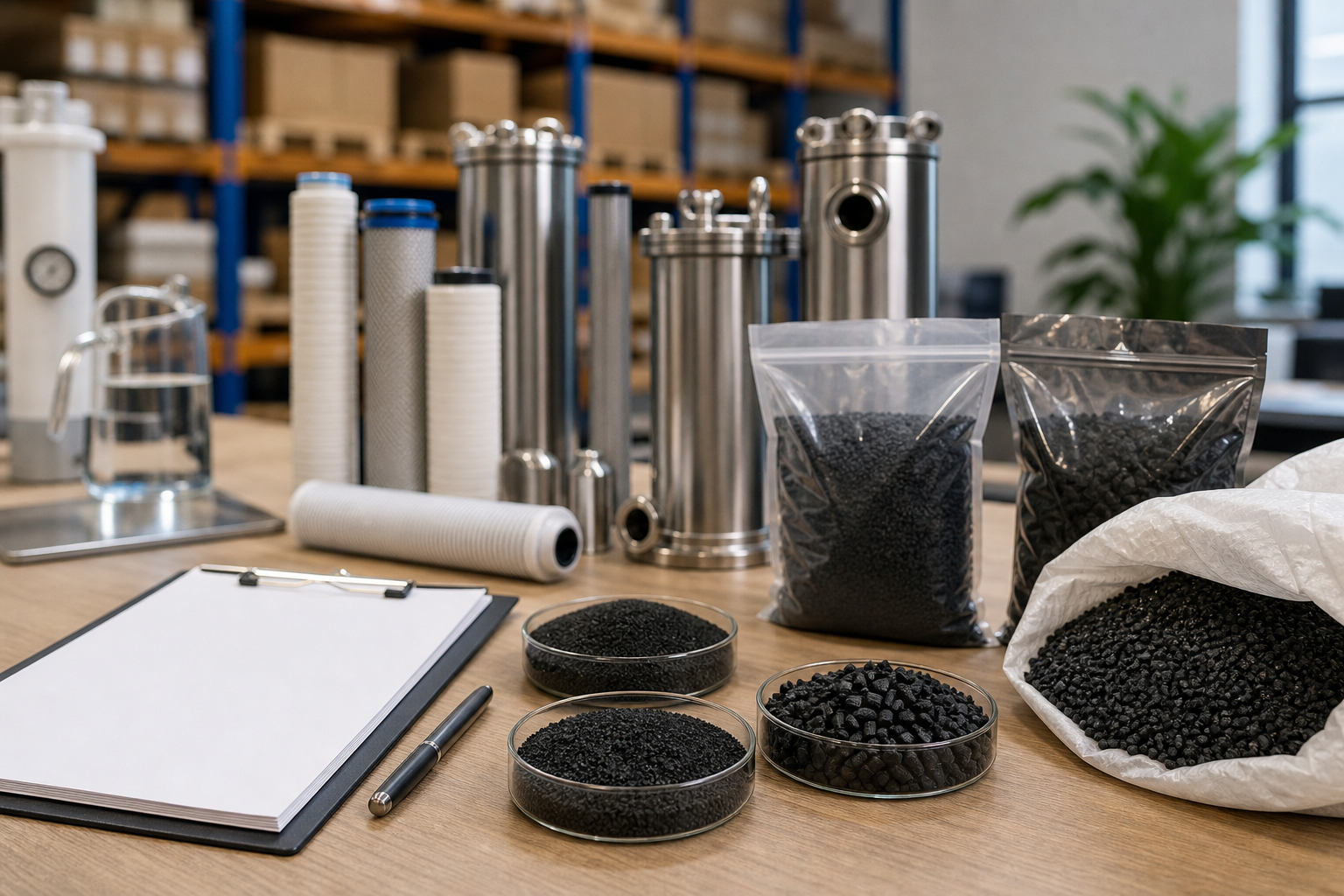
For water-treatment systems, vessel geometry and contact time should be reviewed before replacing media; this activated carbon water filter media checklist is a useful next step. For broader sourcing preparation after the technical basics are clear, DXD also provides an activated carbon guide for B2B filtration and sourcing.
If you understand the application but not the grade, send DXD Carbon / Dingxinda Co., Ltd. the product form, mesh size or pellet diameter, target indicators such as iodine value, CTC, ash, moisture, or hardness, plus quantity, packing, destination, and requested SDS, TDS, COA, lot traceability, packing details, or import/export paperwork. DXD can discuss product-family options such as coconut shell GAC, coal based GAC, wood based PAC, pellet carbon, decolorization PAC, or activated carbon for gold recovery, along with QC, packing, Ningxia factory context, and export support upon inquiry—without assuming universal performance, exact pricing, stock, or lead time.